This post may contain affiliate links. Please read our disclosure policy.
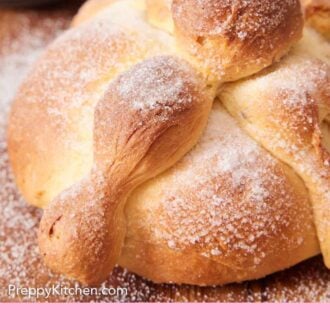
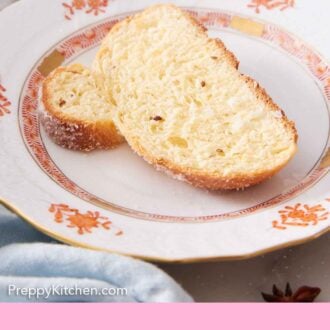
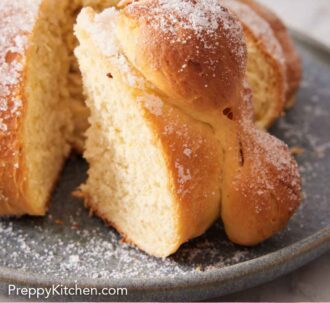
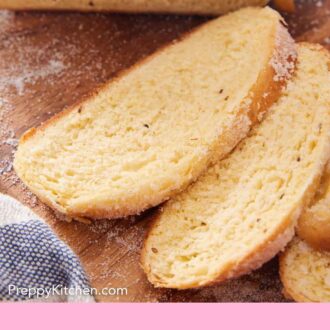
Pan de Muerto is a classic bread recipe made for the November 1st and 2nd Mexican holiday, Diá de Los Muertos. These orange and anise-spiced loaves are lightly sweet, fluffy, buttery, and an integral part of the Mexican holiday that celebrates and honors relatives and ancestors who have passed.
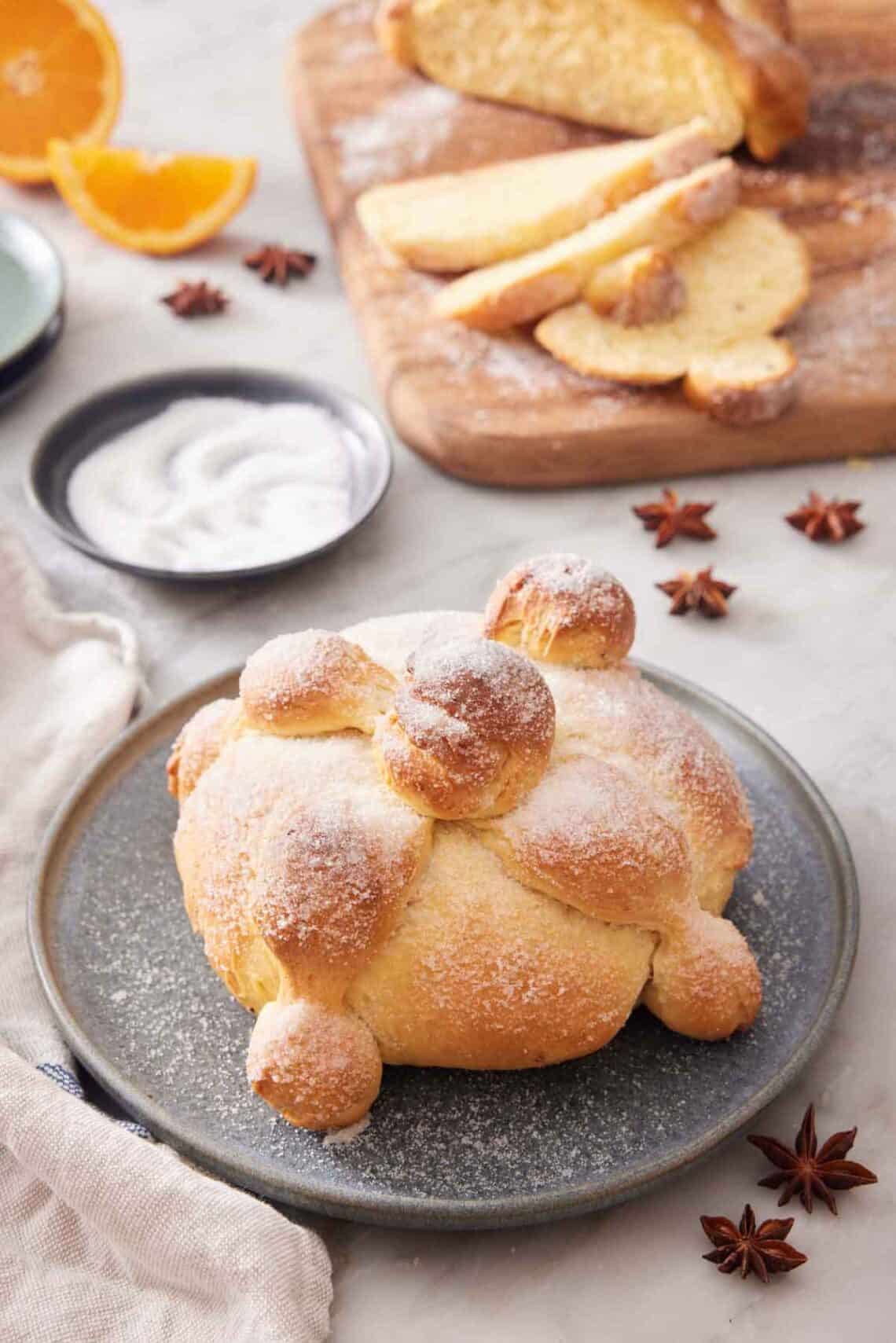
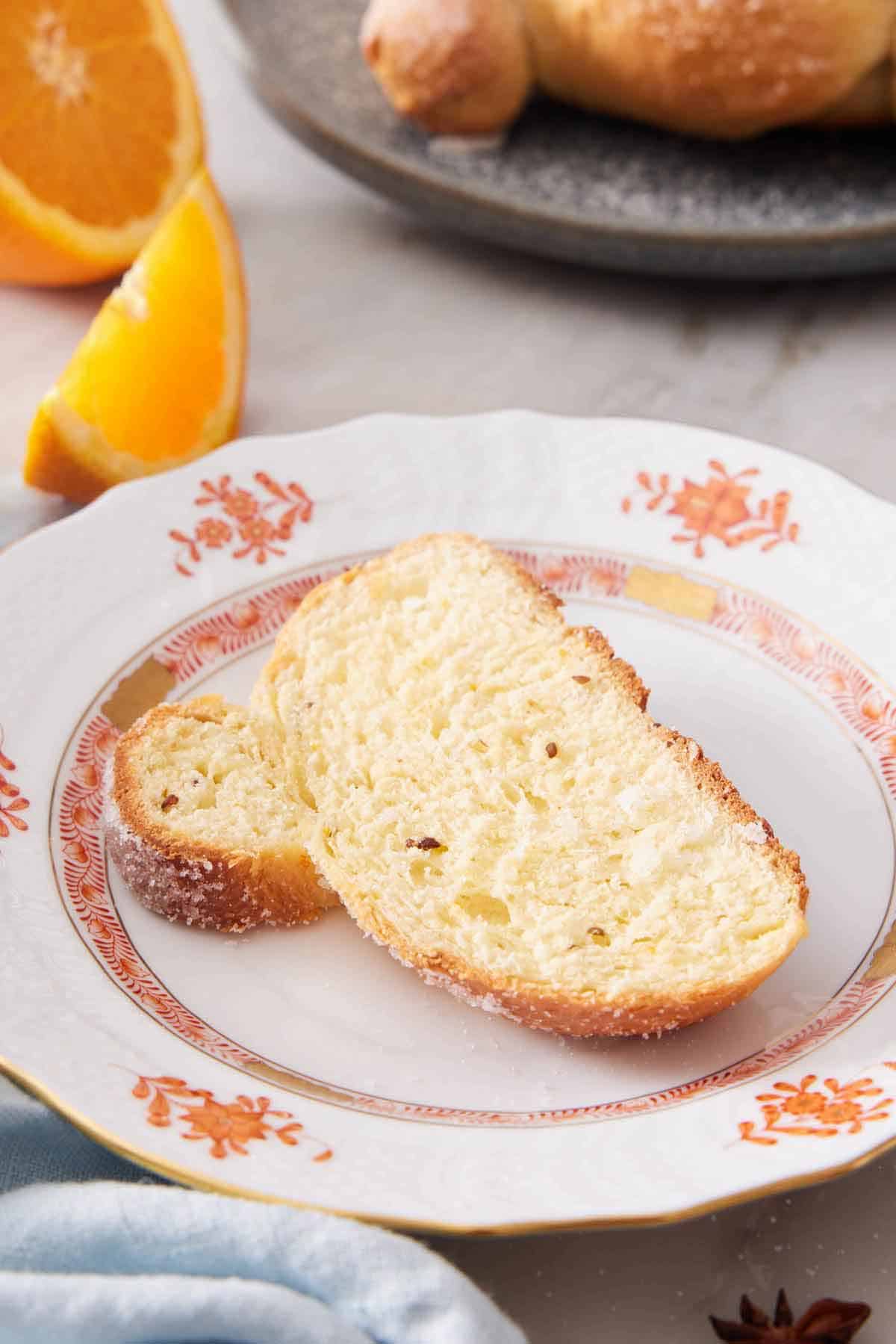
Also known as “Mexican Day of the Dead Bread” or “dead bread,” pan de muerto is an enriched sweet bread made for Día de los Muertos celebrations in Mexico and around the world. Whether family members and friends leave these sweetly leavened loaves at ofrendas, or alters of the departed, or simply enjoy the bread as a treat to celebrate the holiday, pan de muerto is central to the holiday’s festivities.
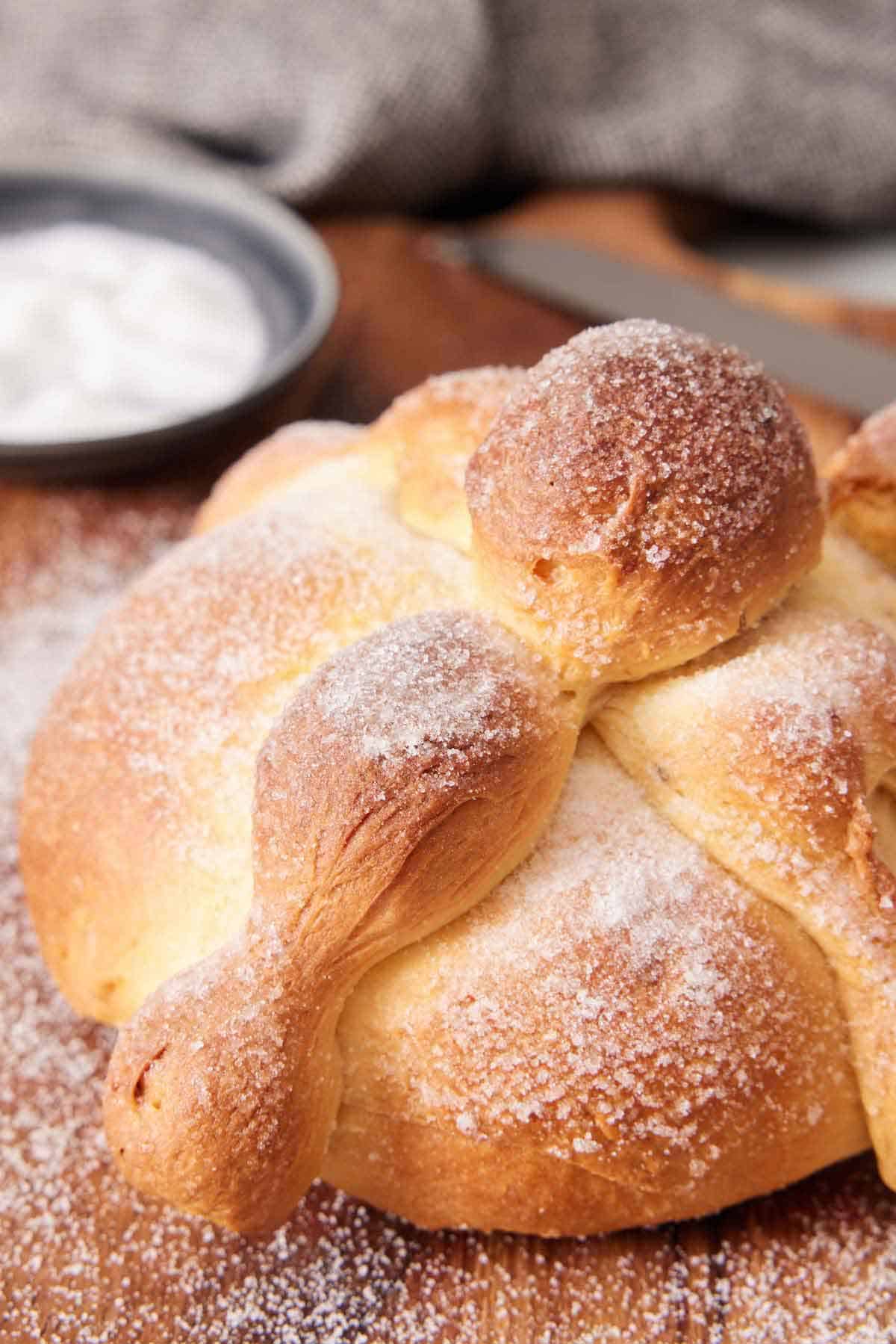
Day of the Dead bread is made from an enriched dough and has a texture similar to that of brioche or challah. It is finished with a brushing of butter and sugar, however, making the recipe more celebratory and sweet. Though the bread can be molded into various shapes, such as angels, animals, or skulls, the loves of bread are usually round and topped with crisscrossed bone-like shapes of dough before baking. A small round piece of dough is placed on top of the bones before baking, signifying a teardrop or a beating heart. Whether you are celebrating the holiday or simply interested in learning to bake something new, this recipe is definitely one to try! For more Mexican dessert recipes, check out my pan dulce recipe, easy flan recipe, and recipe for tres leches cake.
What You Need to Make This Recipe
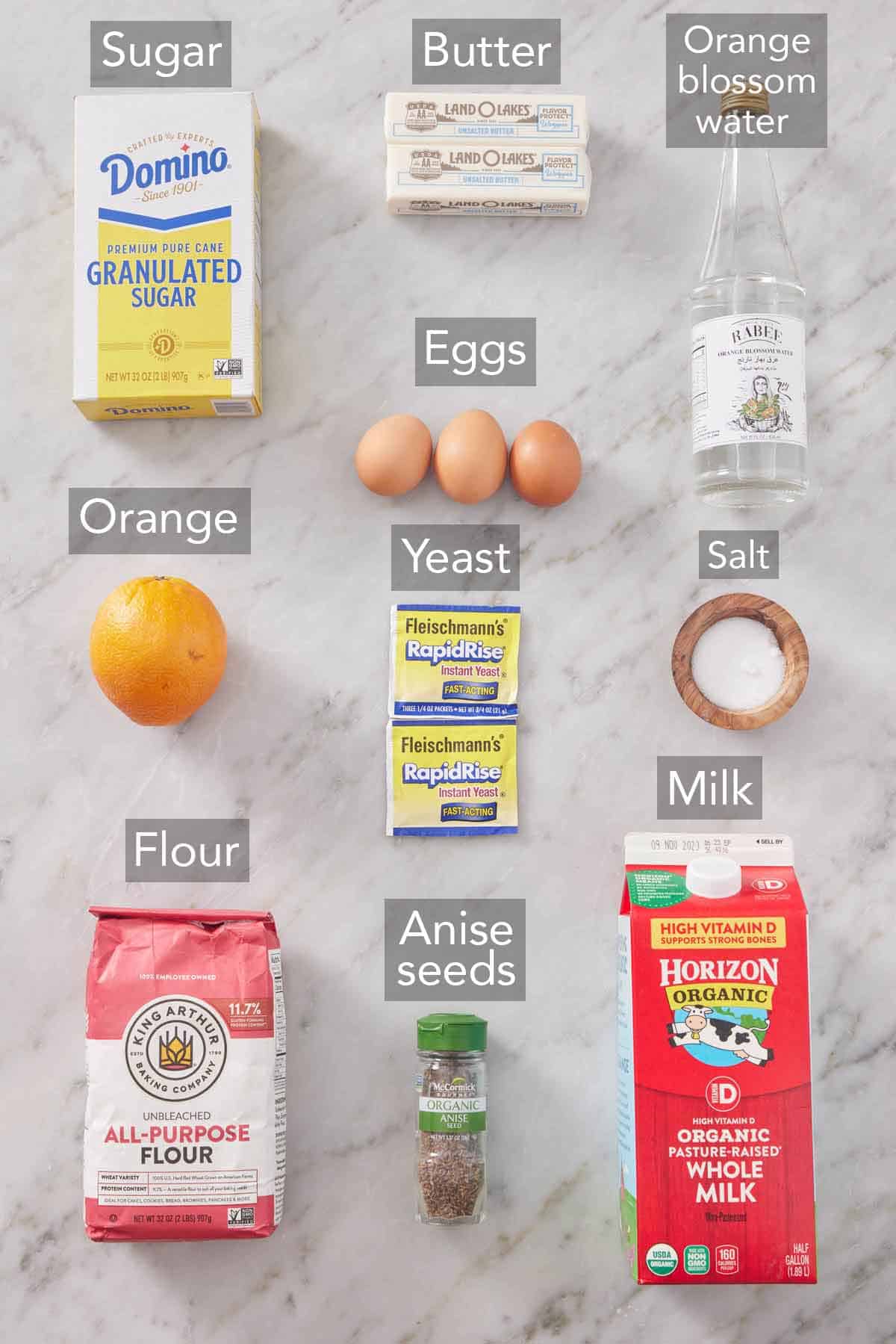
Orange Zest – you will need 1 tablespoon of orange zest, or the zest from about one large orange. To zest an orange, gently rub a microplane zester across the deep orange exterior or the orange peel, refraining from zesting the pithy white underlayer of the peel, as it is bitter.
Orange Blossom Water – made from boiling orange blossoms in water, orange blossom water adds a delicious floral and citrus flavor to the bread. You can find the water at some large grocery stores, bodegas, and online. Be sure to only use the recommended 1 tablespoon of the water, as the taste can be overpowering in larger quantities.
Yeast – choose instant yeast, not active dry yeast, for this recipe, as it is made for the two rises that the recipe calls for.
Anise Seeds – these small seeds provide a very light licorice flavor to the bread. If you are averse to licorice, I highly recommend adding the seeds anyway; the orange blossom water and orange zest balance out any strong licorice notes, leaving a dimensional but light and sweet citrus-anise flavor.
How to Make Pan de Muerto
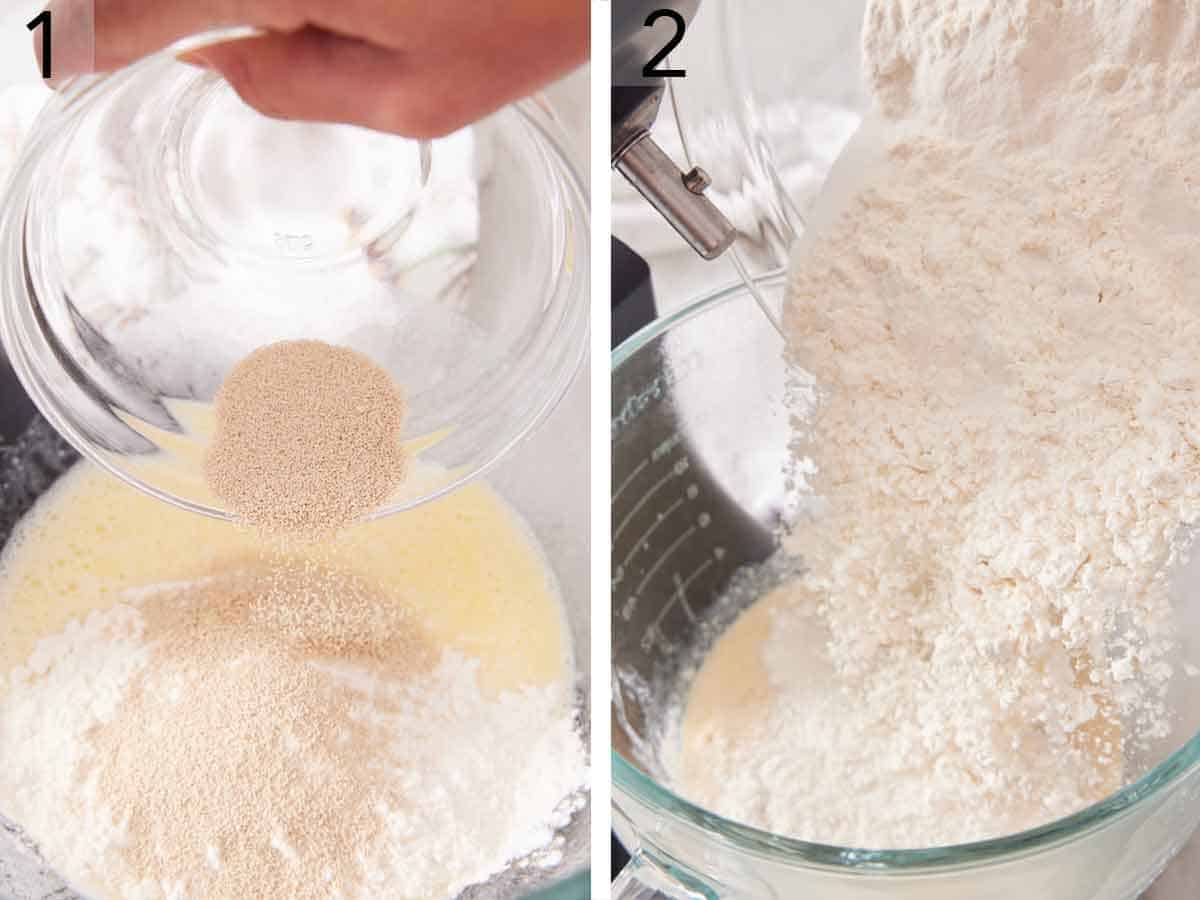
1. In a small saucepan over medium-low heat, heat the milk and ½ cup butter, stirring occasionally, until the butter is melted and an instant-read thermometer registers 110F-115F. Pour the milk mixture into the large bowl of a stand mixer. Add the yeast and ½ cup flour, stirring gently until combined. Cover, and let rest at room temperature until mixture is very bubbly, 45 minutes to an hour.
2. Add the remaining 4 cups flour and ⅓ cup sugar to the yeast mixture.
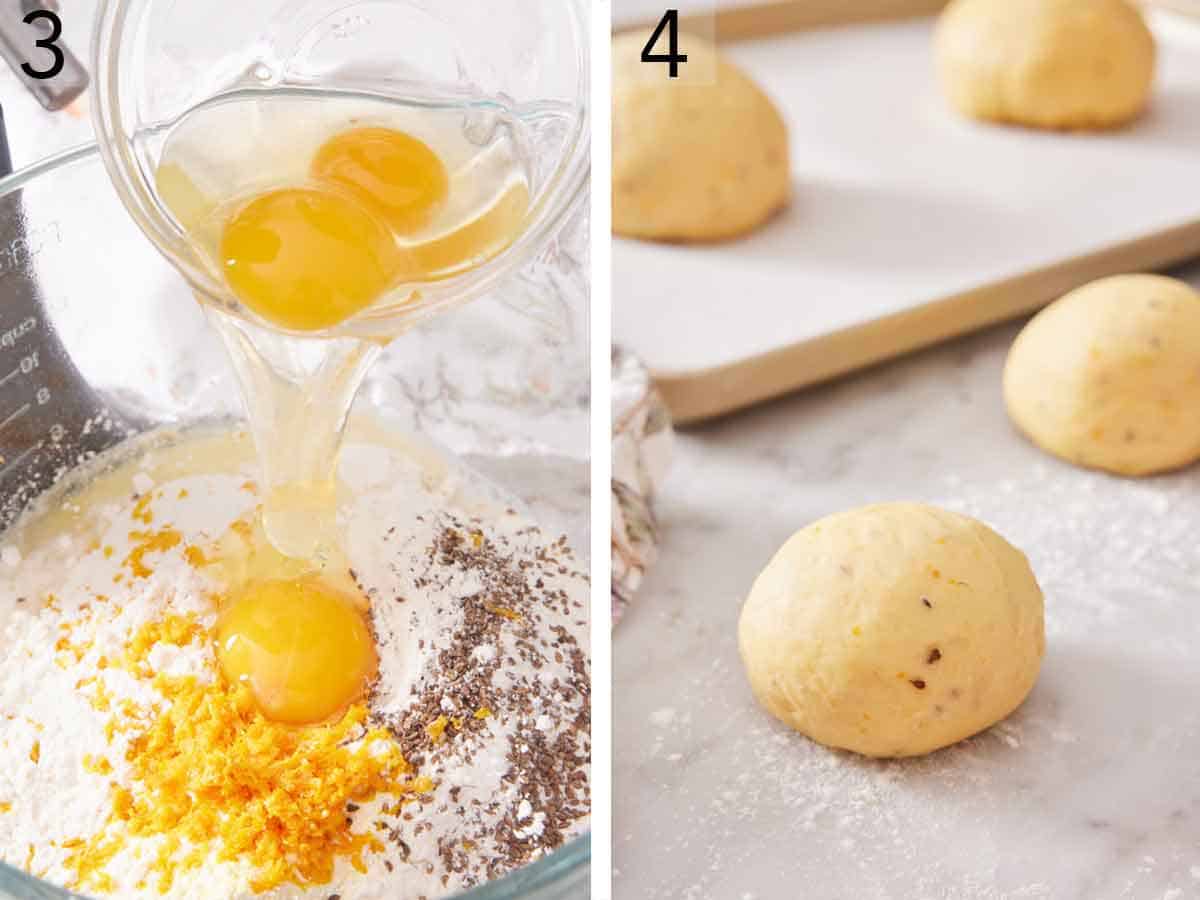
3. Add the eggs, zest, orange blossom water, anise seed, and salt to yeast mixture. Using the paddle attachment on low speed, mix ingredients until combined. Switch to the dough hook attachment, and knead the dough on low speed until smooth and elastic, 6 to 8 minutes. Transfer the dough to a lightly floured surface and shape into a ball. Place the dough in a lightly oiled bowl, cover, and let rise until doubled in size, 45 minutes to an hour.
4. Line a large sheet pan with parchment paper. Punch down the risen dough. On a lightly floured surface, portion off about a quarter of the dough (about 256g). Divide that small portion in half. Cover and set aside. Divide the remaining larger portion of dough in half (about 385g each). Shape each half into a smooth ball, then press down gently to flatten slightly until it has roughly a 5-inch diameter. Place both rounds on the prepared baking sheet several inches apart.
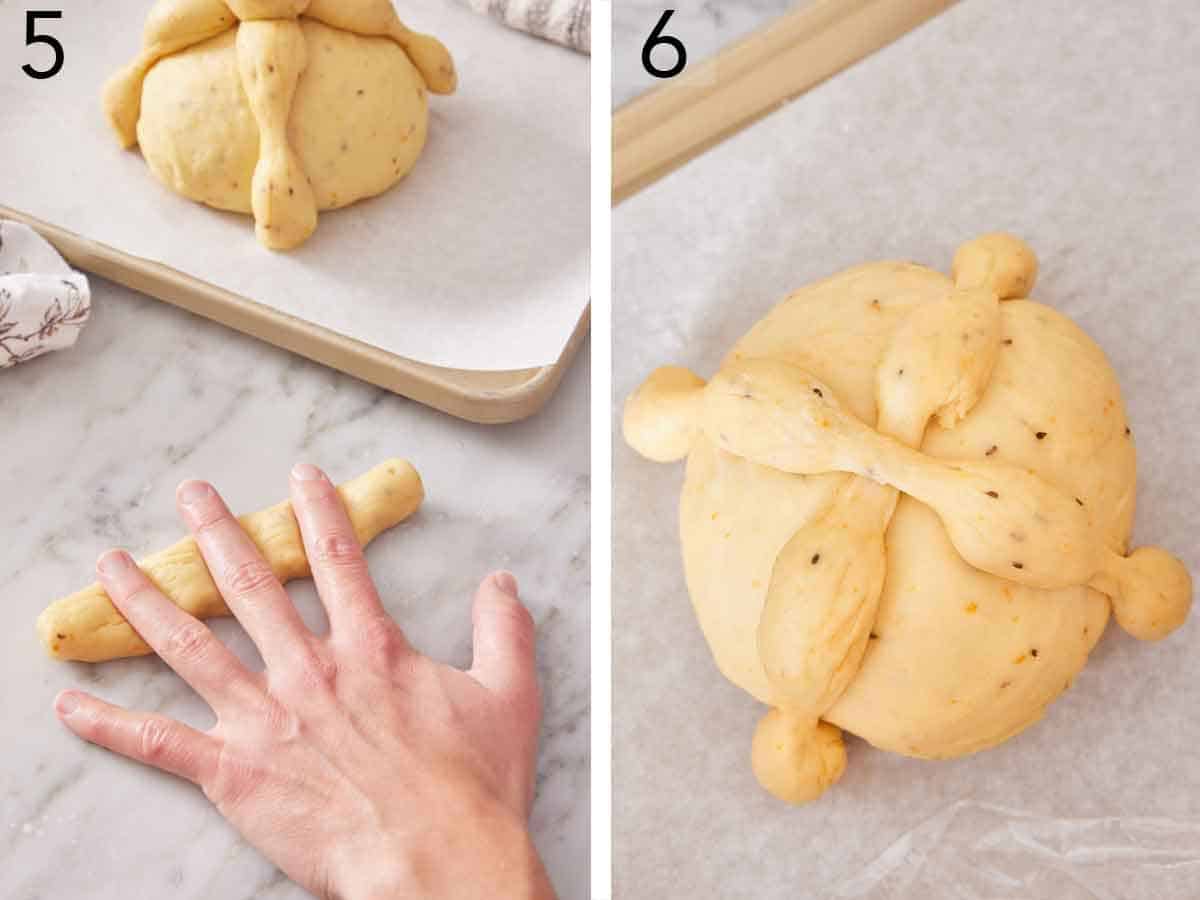
5. Take one of the reserved small portions of dough. Cut off a small piece, and roll it into a 1-inch ball. Cut the remaining dough in half and shape each piece into 7-inch ropes. Rolling the ropes gently with three spread-out fingers to create three evenly spaced indentations in the dough. (These will act as the “bones” that sit on the bread.)
6. Place a “bone” down the center of one of the large dough rounds. Place the other bone on top, running perpendicular to the first, overlapping in the center.
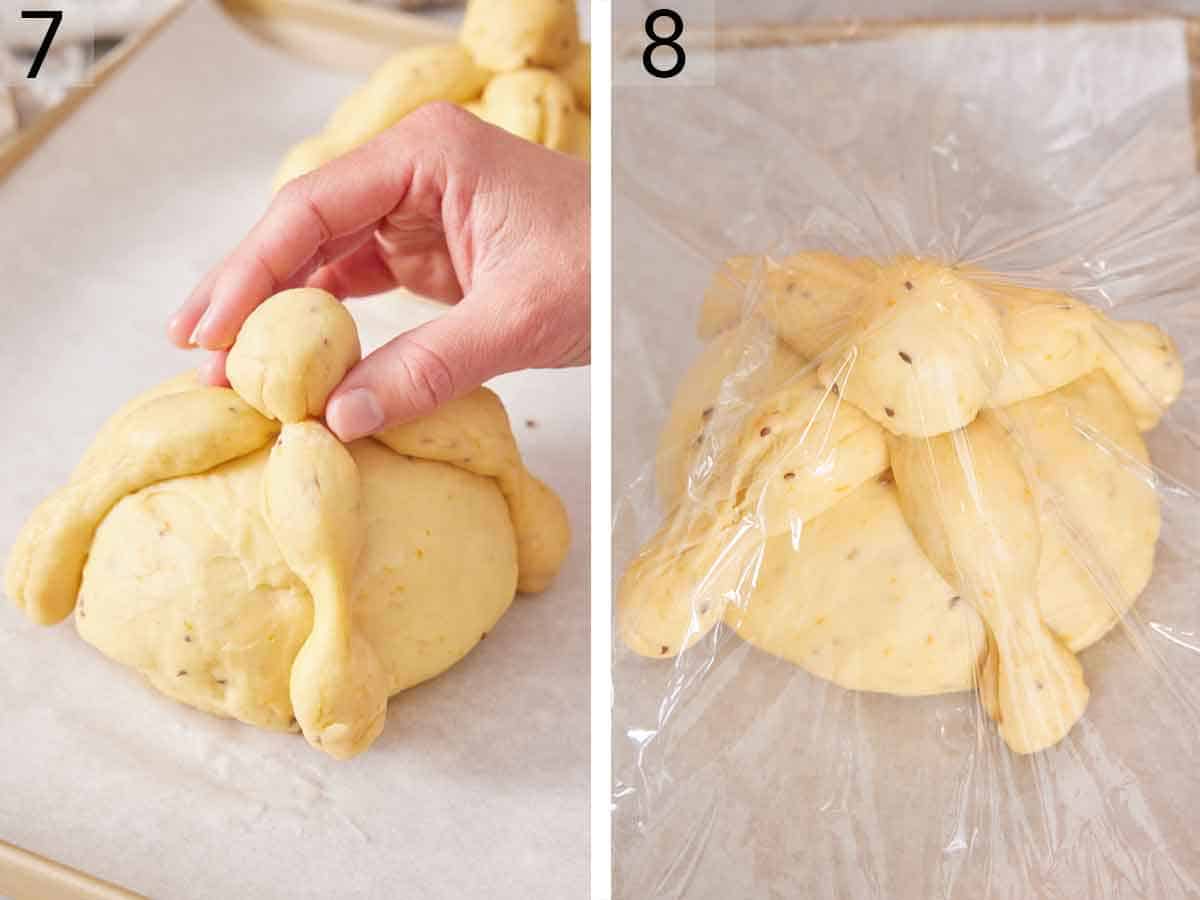
7. Place the small ball of dough on top in the center where the bone shapes cross, pressing gently to adhere. Repeat with the remaining reserved dough and large dough round.
8. Cover the loaves of bread loosely with plastic wrap or a damp tea towel, and let the loaves rise in a warm place until puffy or for 30 to 45 minutes. Once risen, preheat oven to 350°F. Bake the loaves for 30 to 35 minutes or until the crust is a deep golden brown. Carefully transfer the loaves to a wire rack and cool for 10 minutes.
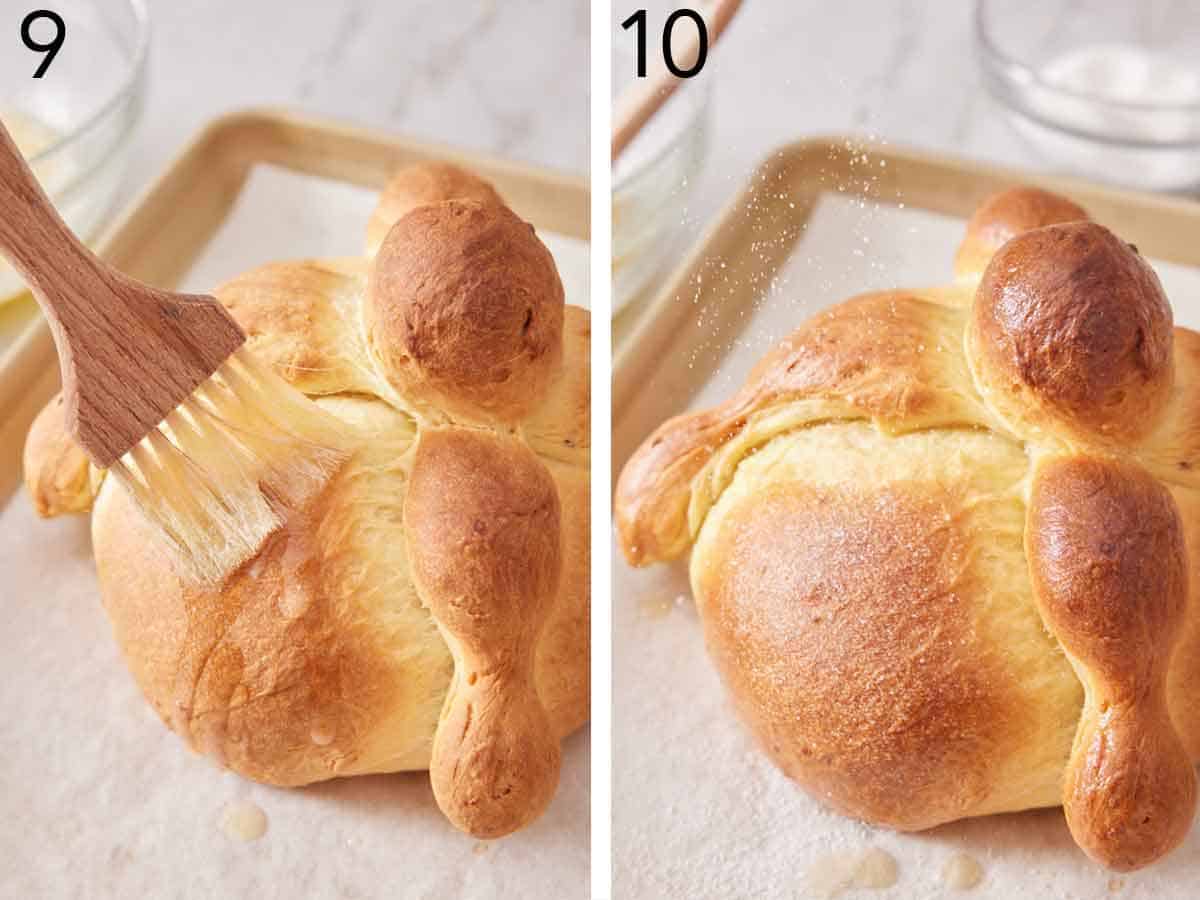
9. Meanwhile, heat the remaining ½ cup of butter in the microwave in 20-second intervals until melted. Brush the warm loaves evenly with butter.
10. Sprinkle the loaves evenly with the remaining ⅓ cup of granulated sugar. Let cool completely.
Pro Tips For Making This Recipe
- Don’t overheat the milk. The milk and butter mixture must only be heated to 110-115 degrees Fahrenheit. Any warmer, and you risk killing the yeast. Use an instant-read food thermometer when heating the milk and butter to know when to remove the pan from the heat.
- Proof in a warm, but not hot, area. You want to place the bread in a location that is around 75-81 degrees Fahrenheit but no warmer, or you will risk overproofing. Some great proofing locations are on top of the refrigerator, in a sunlit spot, or even in an oven with the light turned on but the heat turned off.
- Melt the butter in short intervals. Prevent splattering and burns by melting the butter in a small bowl in short microwave intervals before brushing on the bread. If your microwave is particularly strong, you may want to set the microwave to half power when melting.
- Optional: Manually knead the dough. This recipe can also be made without a stand mixer. Stir the warm milk and butter together with the eggs, orange blossom water, zest, and dry ingredients with a wooden spoon until combined and a craggy mass has formed. Turn out the dough on a lightly floured surface and knead by hand for 7-10 minutes, or until the dough is elastic and smooth, adding sprinkles of additional flour if needed to keep it from sticking to your hands or the surface.
- Optional: Mold different bread shapes. Get creative by shaping skulls, animals, or even angels. If creating different shapes, you may need to separate the dough into different size balls than directed in the recipe, so create a plan for your desired shapes and separate the bread dough accordingly before shaping.
Frequently Asked Questions
Leftover bread keeps covered in an airtight container at room temperature for up to 3 days. The bread can also be frozen in a freezer-safe container for up to 3 months. Freeze the loaf whole or slice the loaf before freezing. Defrost the loaf covered at room temperature for 1-2 hours or slices for 15-30 minutes, or until thawed through.
Serve a complete dia de los muertos spread by serving pan de muerto with sugar skulls, tamales, pozole, mole, and more. Enjoy these slices of bread as a sweet treat with friends and family, along with horchata, classic Coca Cola, or even Mexican hot chocolate.
In addition to brushing the pan de muerto with butter and sprinkling with sugar, there are many different ways to decorate this festive bread. Try out sprinkling the loaves with colorful sanding sugars, vanilla sugar, sprinkles, or sesame seeds. You can also brush them with an egg wash before baking for a shinier finish. Or, with orange marmalade or orange simple syrup after baking instead of butter. To make orange simple syrup, simmer ½ cup of orange juice with ½ cup of sugar and a piece of peeled orange zest in a saucepan and simmer over medium heat, whisking as it simmers, or until the sugar is dissolved.
If you’ve tried this pan de muerto recipe, then don’t forget to rate the recipe and let me know how you got on in the comments below, I love hearing from you!
Pan de Muerto
Ingredients
- ½ cup whole milk (120g)
- 1 cup unsalted butter room temperature and divided (227g)
- 4½ cups all-purpose flour divided (562g)
- 1 tablespoon instant yeast (9g)
- ⅔ cup granulated sugar divided (133g)
- 3 large eggs
- 1 tablespoon orange zest (1 large orange)
- 1 tablespoon orange blossom water
- 1½ teaspoons anise seeds
- 1 teaspoon salt
Instructions
- In a small saucepan over medium-low heat, heat the milk and butter, stirring occasionally, until the butter is melted and an instant-read thermometer registers 110F-115F. Pour the milk mixture into the bowl of a stand mixer. Add the yeast and ½ cup flour, stirring gently until combined. Cover, and let rest at room temperature until mixture is very bubbly, 45 minutes to an hour.
- Add the remaining 4 cups flour, ⅓ cup sugar, eggs, zest, orange blossom water, anise, and salt to yeast mixture. Using the paddle attachment on low speed, mix ingredients until combined.
- Switch to the dough hook attachment, and knead the dough on low speed until smooth and elastic, 6 to 8 minutes. Transfer the dough to a lightly floured surface and shape into a ball. Place the dough in a lightly oiled bowl, cover, and let rise until doubled in size, 45 minutes to an hour.
- Line a large sheet pan with parchment paper.
- Punch down the risen dough. On a lightly floured surface, portion off about a quarter of the dough (about 256g). Divide that small portion in half. Cover and set aside.
- Divide the remaining larger portion of dough in half (about 385g each). Shape each half into a smooth ball, then press down gently to flatten slightly until it has roughly a 5-inch diameter. Place both rounds on the prepared baking sheet several inches apart.
- Take one of the reserved small portions of dough. Cut off a small piece, and roll it into a 1-inch ball. Cut the remaining dough in half and shape each piece into 7-inch ropes. Press a finger across each rope to create three evenly spaced indentations in the dough. (These will act as the “bones” that sit on the bread.)
- Place a “bone” down the center of one of the large dough rounds. Place the other bone on top, running perpendicular to the first, overlapping in the center. Place the 1-inch dough on top in the center where the bones cross, pressing gently to adhere. Repeat with the remaining reserved dough and large dough round. Cover loosely with plastic wrap or a damp tea towel, and let the loaves rise until puffed, 30 to 45 minutes.
- Preheat oven to 350°F.
- Bake for 30 to 35 minutes or until the crust is a deep golden brown. Carefully transfer the loaves to a wire rack and cool for 10 minutes.
- Meanwhile, heat the remaining ½ cup of butter in the microwave in 20-second intervals until melted. Brush the warm loaves with butter, and evenly sprinkle with the remaining ⅓ cup of granulated sugar. Let cool completely. Store at room temperature in an airtight container for up to 3 days.
Notes
- Don’t overheat the milk. The milk and butter mixture must only be heated to 110-115 degrees Fahrenheit. Any warmer, and you risk killing the yeast. Use an instant-read food thermometer when heating the milk and butter to know when to remove the pan from the heat.
- Proof in a warm, but not hot, area. You want to place the bread in a location that is around 75-81 degrees Fahrenheit but no warmer, or you will risk overproofing. Some great proofing locations are on top of the refrigerator, in a sunlit spot, or even in an oven with the light turned on but the heat turned off.
- Melt the butter in short intervals. Prevent splattering and burns by melting the butter in a small bowl in short microwave intervals before brushing on the bread. If your microwave is particularly strong, you may want to set the microwave to half power when melting.
- Optional: Manually knead the dough. This recipe can also be made without a stand mixer. Stir the warm milk and butter together with the eggs, orange blossom water, zest, and dry ingredients with a wooden spoon until combined and a craggy mass has formed. Turn out the dough on a lightly floured surface and knead by hand for 7-10 minutes, or until the dough is elastic and smooth, adding sprinkles of additional flour if needed to keep it from sticking to your hands or the surface.
- Optional: Mold different bread shapes. Get creative by shaping skulls, animals, or even angels. If creating different shapes, you may need to separate the dough into different size balls than directed in the recipe, so create a plan for your desired shapes and separate the bread dough accordingly before shaping.
Nutrition
Have you tried this recipe? Tag me today!
Mention @preppykitchen and tag #preppykitchen!