This post may contain affiliate links. Please read our disclosure policy.
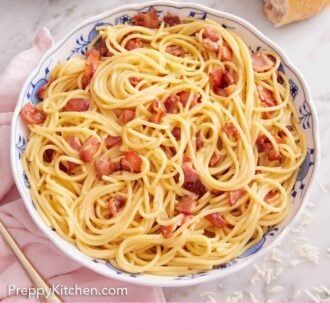
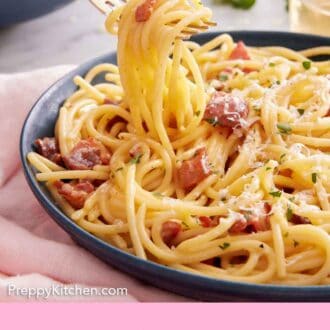
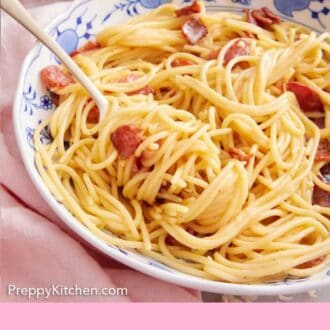
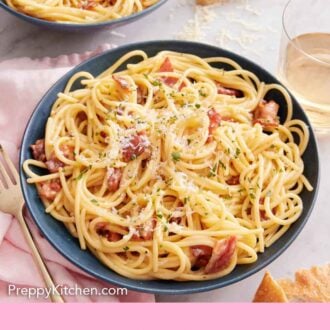
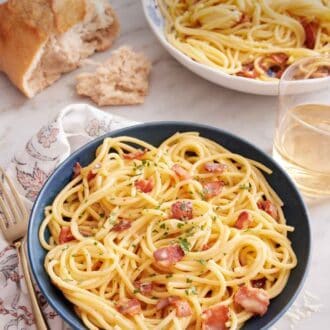
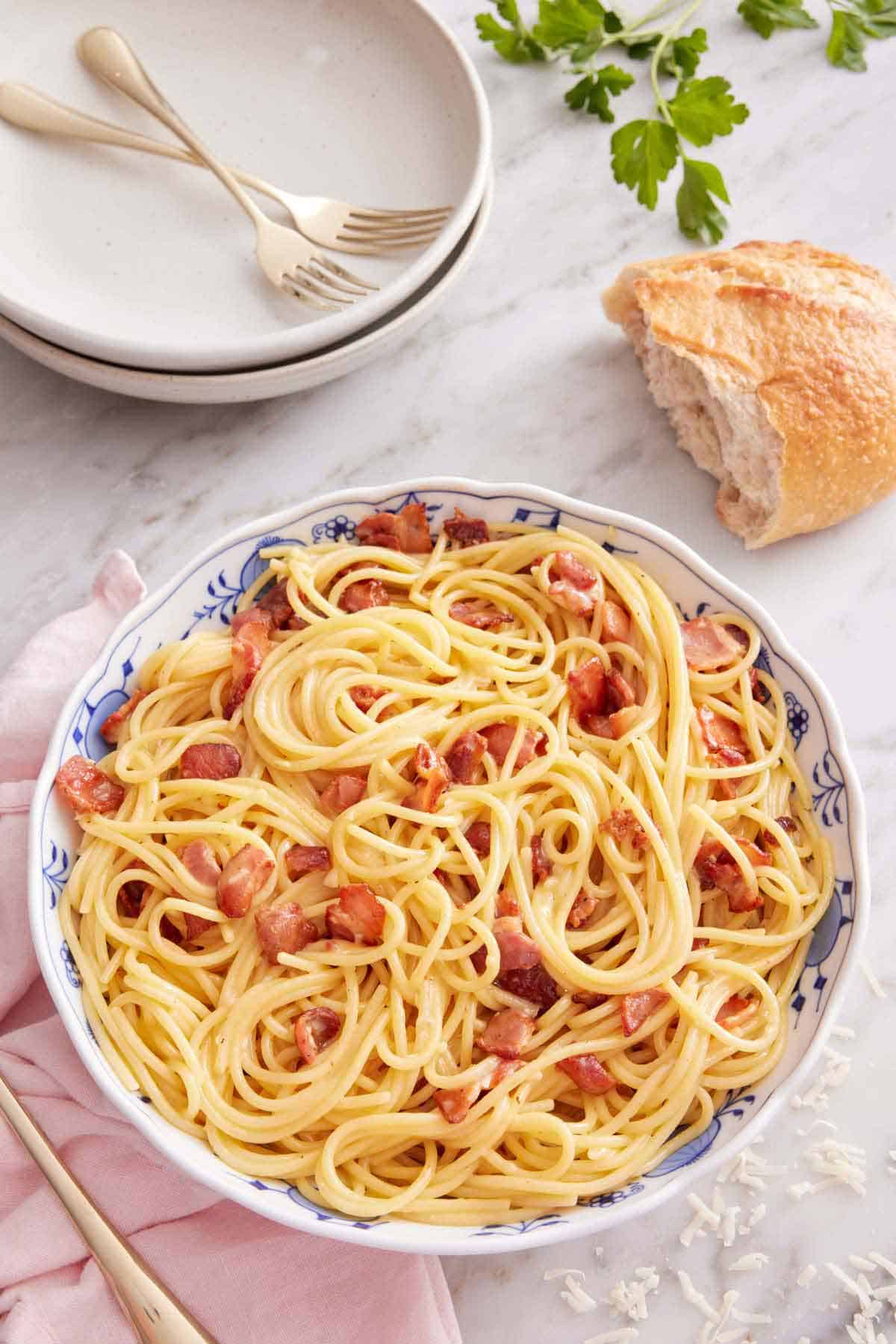
My easy Pasta Carbonara recipe is perfect for busy weeknights—it’s ready in just 30 minutes! Coat al dente pasta in a silky sauce made with eggs and parmesan cheese, and add lots of crispy bacon. Simple and classic!
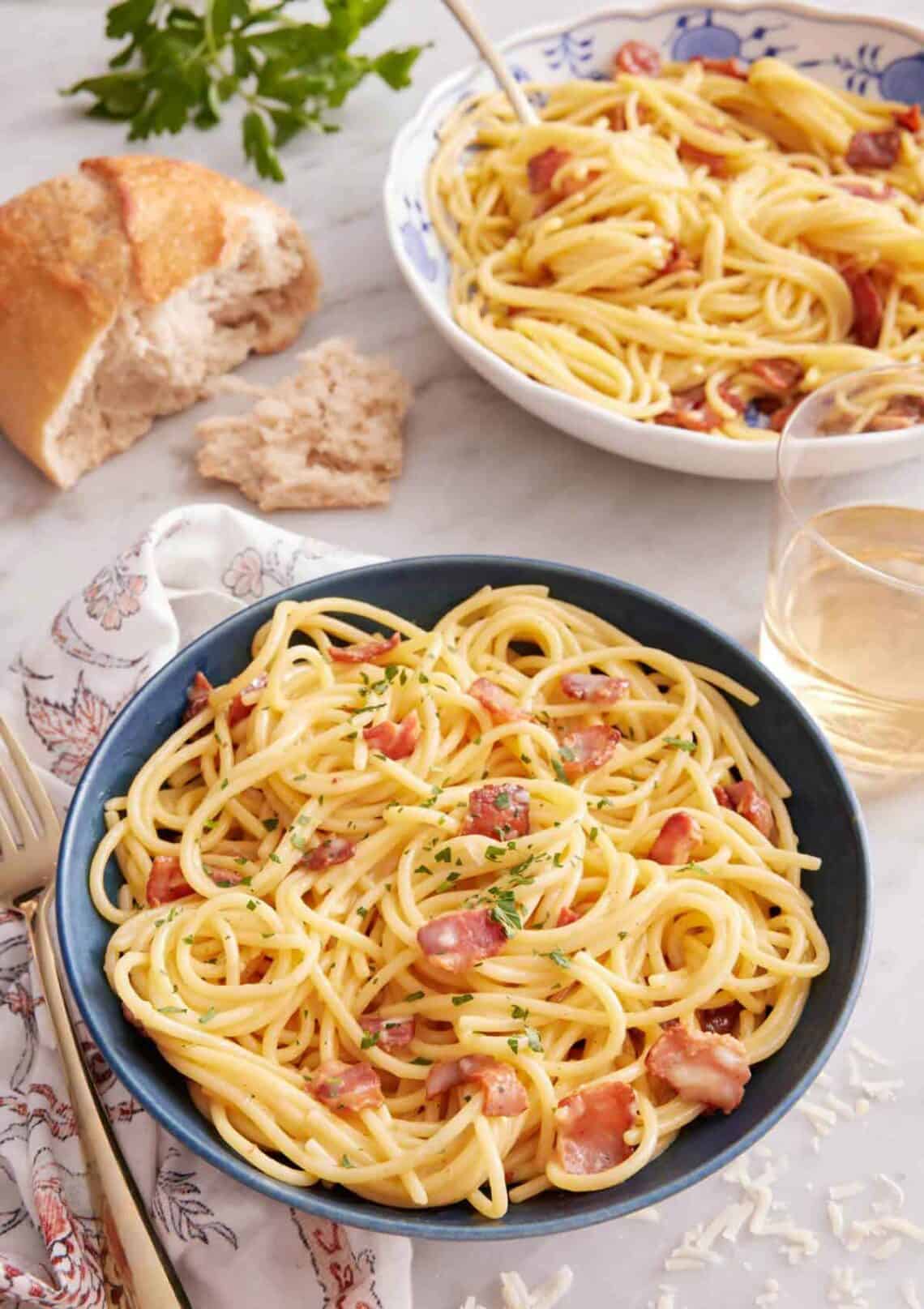
Pasta carbonara is a classic pasta dish that comes together quickly with simple ingredients. You don’t need heavy cream to make a velvety sauce — egg yolks, grated cheese, and pasta water are all it takes! Creating a creamy sauce is all in the technique. In this post, I share my tips discovered in recipe testing to show you exactly how to use hot pasta water to gently cook and emulsify the eggs with the cheese to create a smooth, cohesive, flavorful pasta sauce.
“I have attempted a pasta carbonara before, but with not great results. With this recipe, my sauce turned out so creamy thanks to mixing the hot pasta in a bowl instead of the hot pot. Excellent method!”
Beth
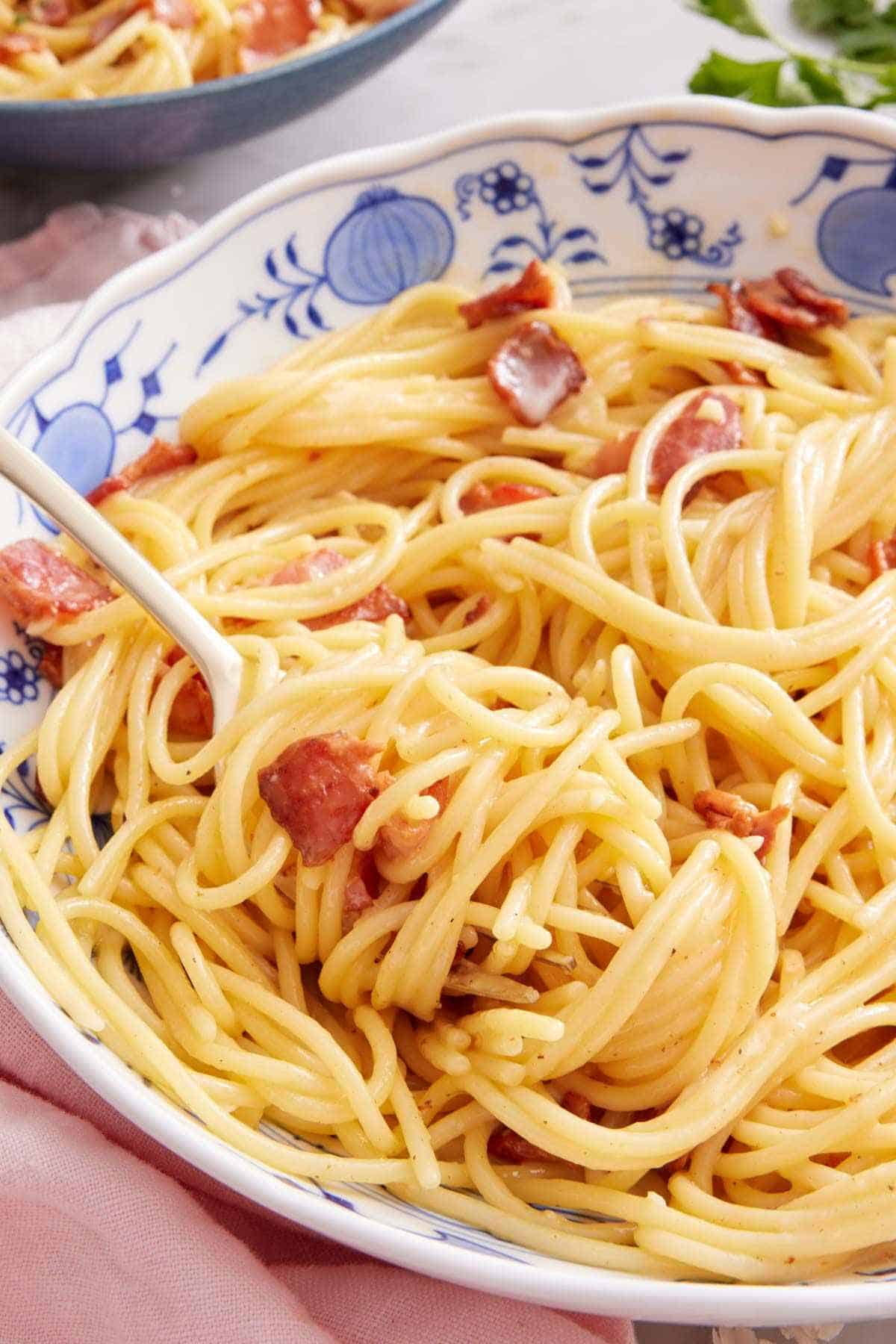
What Is Pasta Carbonara?
Pasta carbonara (or spaghetti alla carbonara) is a popular Italian dish thought to have come about around the middle of the 20th century. The word carbonara is derived from the Italian carbonaro, which means charcoal burner. There are 2 theories here: one being that the black pepper flakes resemble coal dust, or that carbonara was a meal for Italian coal workers. Even with its uncertain origins, Pasta carbonara is one of the 4 classic Roman pastas — the others being cacio e pepe, gricia, and amatriciana.
It is a simple pasta dish with a short ingredient list. Its main components are hard cheese, egg yolks, garlic, and cured pork, so it’s important to use quality ingredients. Traditionally, it is made with pecorino romano, guanciale (cured pork jowl), and spaghetti. However, lots of variations exist that swap pecorino romano for parmesan cheese, guanciale for bacon or pancetta (both of which are easier to come by in the US), and spaghetti for other long pastas like bucatini.
Authentic carbonara doesn’t include cream. Instead, the egg yolks are cooked gently in the heat of the pasta, turning into a silky and rich sauce along with the melted parmesan cheese and pasta water. That’s how I developed my recipe!
Key Ingredients for Spaghetti alla Carbonara
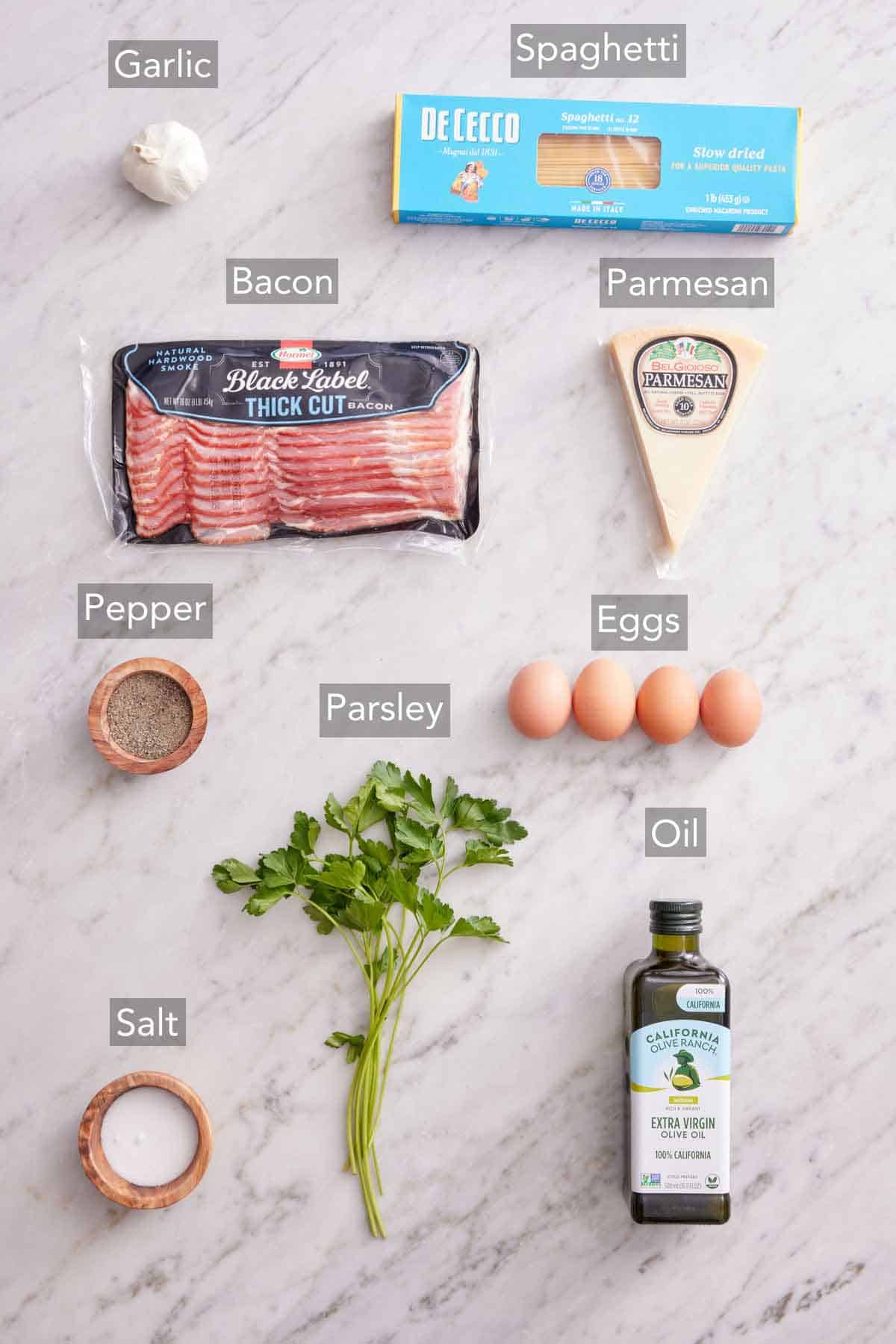
These are the main ingredients you need to make this easy carbonara recipe. You can find the full list of ingredients and measurements in the recipe card below.
Cheese — Parmesan cheese or Pecorino Romano adds a tangy, somewhat nutty flavor to the sauce. The cheese also helps create a creamy carbonara sauce by melting into the hot pasta water and emulsifying with the eggs.
Eggs — this is the key to an excellent pasta carbonara. Not only do the egg and egg yolks add lots of rich flavor, but they are also vital to creating the silky sauce that carbonara is known and loved for. You do not need cream to make carbonara!
Garlic — carbonara sauce is a simple, no-frills sauce that doesn’t require a lot of extra spices or seasonings. Garlic, salt, and black pepper are there to enhance the flavors of the luscious sauce and smoky bacon.
Bacon — I use thick-cut bacon, which cooks up nice and crispy on the outside while the inside stays meaty. You can also use pancetta or the traditional guanciale (I discuss the differences just below!).
Spaghetti — Spaghetti is typically used to make this pasta dish, but you can use other long pasta types like fettuccine, angel hair pasta, bucatini, or linguine. Rigatoni is also commonly used.
Guanciale Vs Pancetta Vs Bacon: What’s The Difference?
There are 3 types of cured pork you can use to make pasta carbonara: guanciale, pancetta, and bacon. Guanciale, made from pork jowls, is used in authentic Italian carbonara. It is delicious, but quite difficult to come by in most US grocery stores. Pancetta is cured pork belly seasoned with spices. It is not smoked and is less fatty than guanciale and bacon.
Bacon is also made from pork belly, but it is typically smoked, so it has a stronger flavor than pancetta. My pasta carbonara recipe calls for thick-cut bacon because it is readily available at local US grocery stores.
Don’t Drain The Pasta
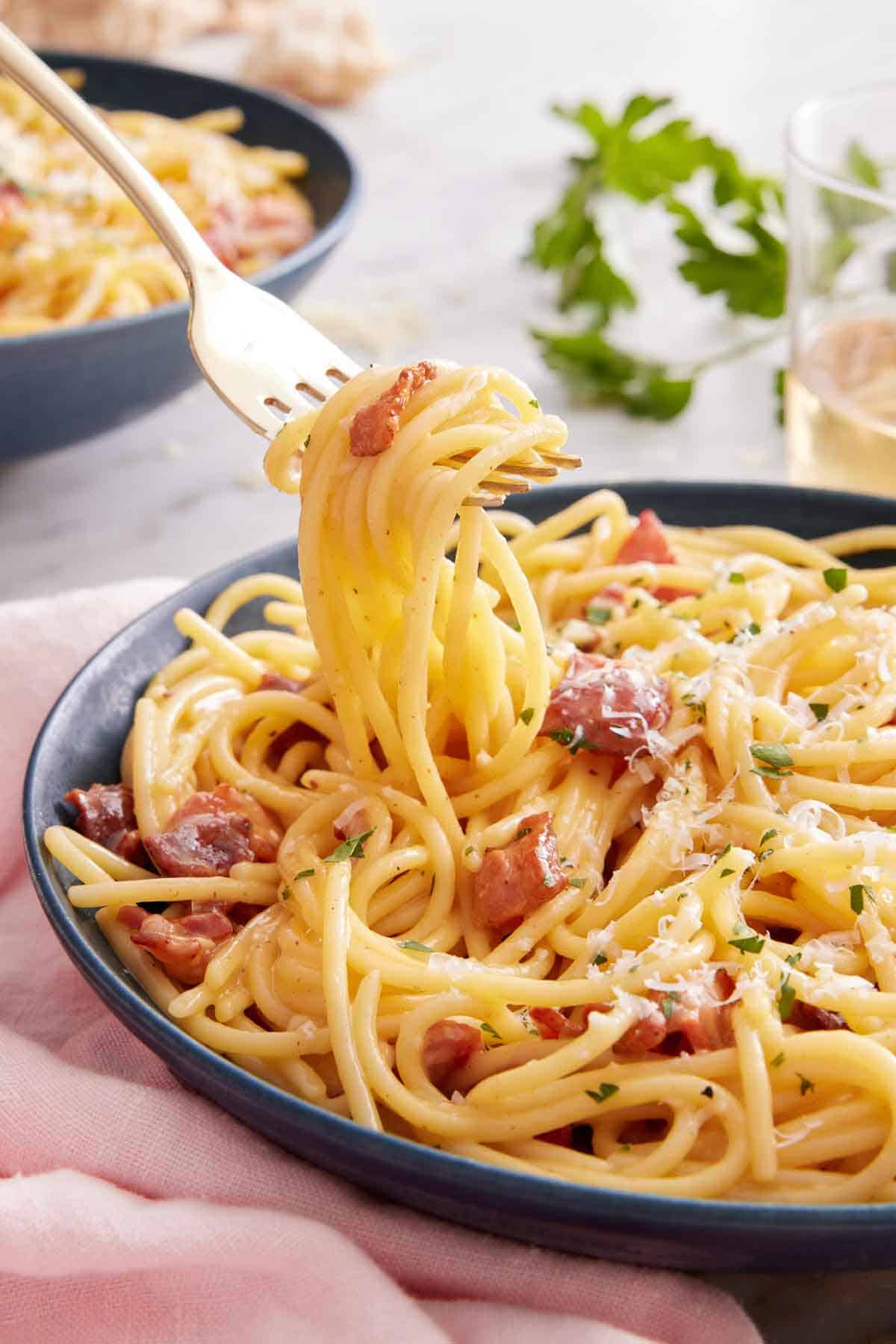
Moving the pasta from the boiling water to a bowl with tongs (instead of draining it first) will mean it’s a bit wetter, holding onto some of the pasta water. This is important for making the velvety sauce that forms when mixing the eggs and cheese into the hot pasta. If you drain it, the spaghetti will steam and dry fairly quickly, making the pasta sticky and less saucy.
Troubleshooting Common Mistakes
Avoid scrambling the eggs. Whisk the ¼ cup of hot pasta water into the egg mixture first to temper the eggs before adding the hot pasta. The pasta is also mixed off the stove in a large bowl to prevent direct heat from the stove from overcooking the eggs.
Don’t use pre-grated cheese. Pre-grated Parmesan or Parmesan from a shaker bottle will turn gummy and clump when stirred into the hot pasta. Freshly grated Parmesan melts much more smoothly, giving you a creamy and smooth sauce. You can also use Parmigiano Reggiano, but be aware that the flavor is slightly stronger. Grate the block with a microplane or the small hole of a box grate to help it melt quickly.
Don’t oversalt the dish before you taste it all together. Only a little bit of salt is added to the eggs at the start of this recipe because the pasta gets flavored in other ways, too. Cooking the spaghetti in salted water will flavor it, and the salty pasta water will add more salt to the sauce. The cheese and bacon are also salty, adding even more flavor to the finished dish. Adding salt to the eggs helps to break down the proteins so they emulsify with the cheese and pasta water better. Once the pasta is mixed, taste and sprinkle in more salt if you wish.
Pro Tips For The Best Pasta Carbonara
Have all your ingredients prepped and ready to go. While the recipe is simple, it moves fast, and the timing of each step is important. Read through the whole recipe thoroughly before starting.
Use a large enough pot for cooking the pasta. You want there to be enough room for the noodles to move freely. Remember to stir the pasta occasionally to prevent the noodles from sticking together or to the bottom or sides of the pot.
Have your mixing bowl ready. Once the pasta is al dente, you will want to immediately begin transferring it to the bowl. Having it set aside and waiting will help prevent the pasta from overcooking.
How To Make Pasta Carbonara
Below, I’ve highlighted portions of the recipe in step-by-step process images along with instructions for making the perfect pasta carbonara recipe without cream. You can find the full set of instructions in the recipe card below.
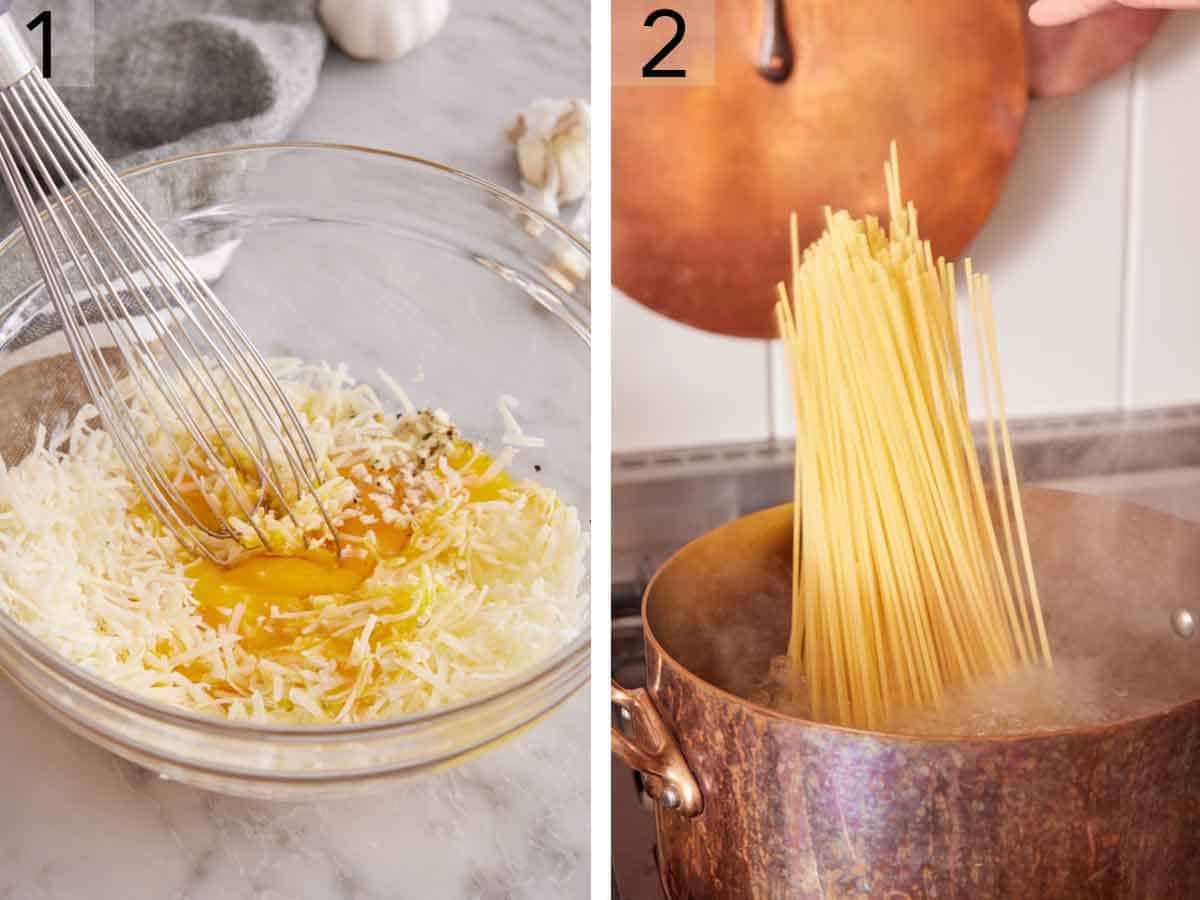
1. Whisk together the grated cheese, whole egg, egg yolks, garlic, salt, and pepper in a medium bowl. Set the cheese mixture aside for now.
2. Bring a large pot of salted water to a boil, add the pasta, and cook until al dente.
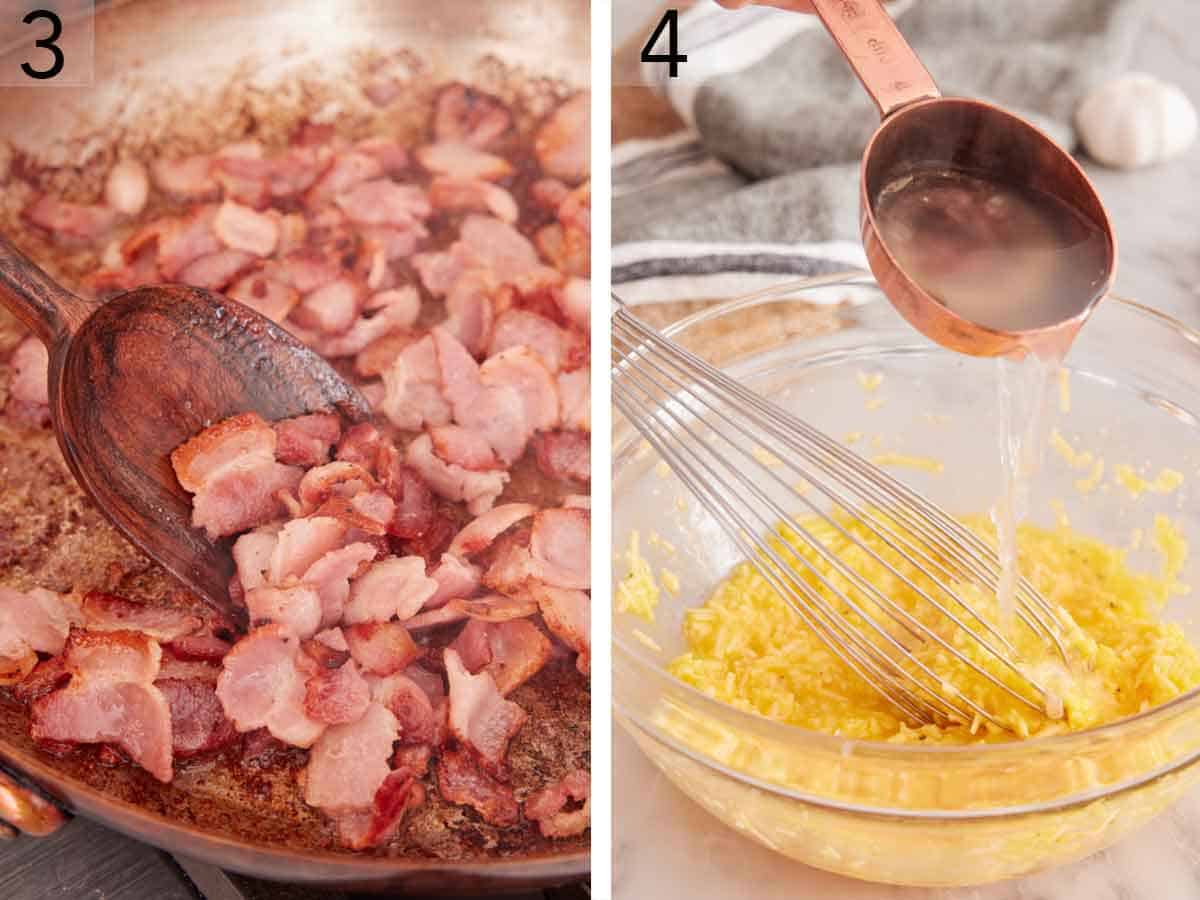
3. Meanwhile, heat oil in a large skillet over medium heat and add the diced bacon. Cook until nice and crispy, which should take around 8 minutes. Allow the bacon to drain on a plate lined with paper towels.
4. When the spaghetti is al dente (about 10 minutes), remove ½ cup of pasta water from the pot using a heatproof measuring cup. Whisk ¼ cup of it into the egg mixture to temper the eggs and cook them gently, without scrambling them.
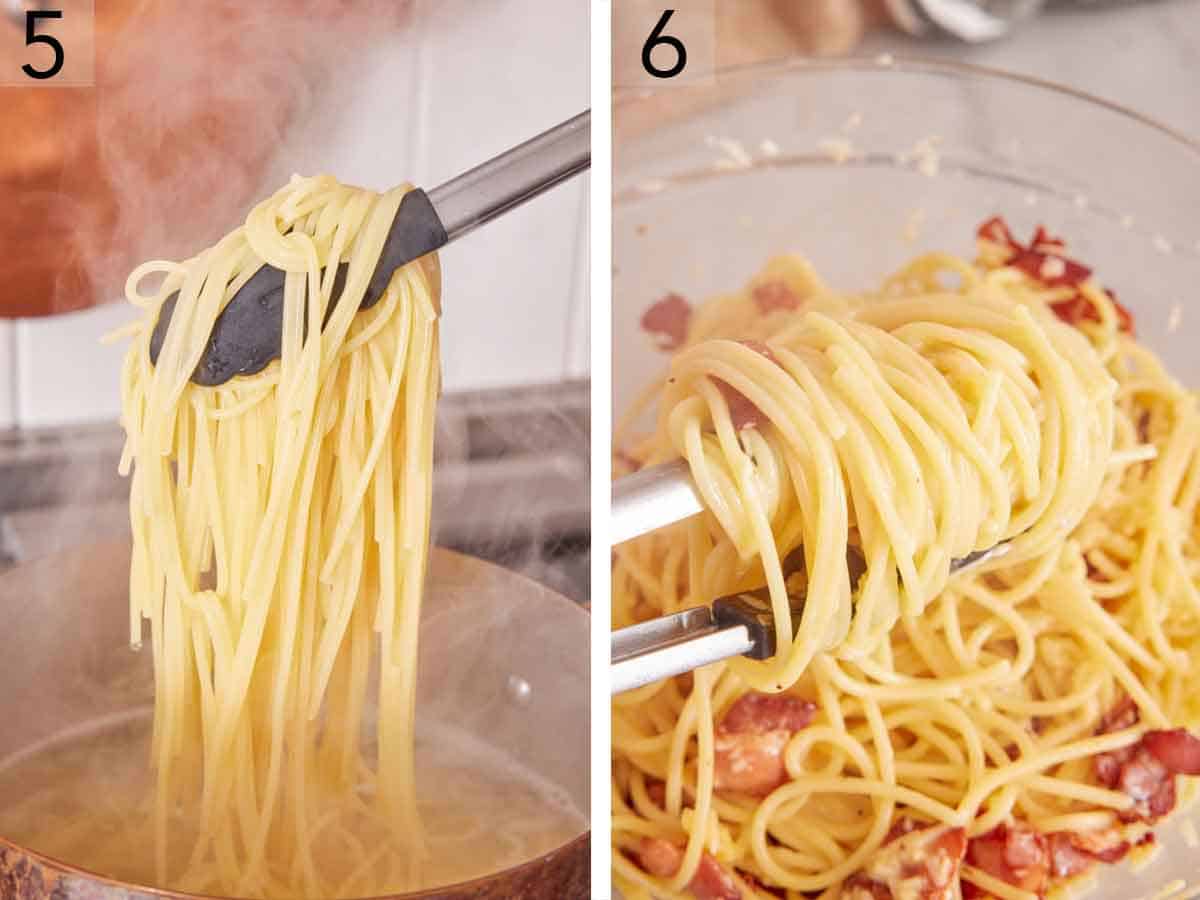
5. Use tongs to remove the pasta from the cooking water and place it directly in a large bowl, without draining it first.
6. Add the egg mixture and cooked bacon to the pasta and toss until creamy. The cheese should also melt fully. To loosen the pasta sauce if needed, add the rest of the reserved starchy water 1 tablespoon at a time. How much you add will depend on how thick you want the sauce to be. Serve immediately.
Pasta Carbonara Recipe
Equipment
- mixing bowl
- Large Pot
- Large skillet
- Large serving bowl
- Tongs
Ingredients
- 1 cup grated Parmesan or pecorino cheese (84g)
- 1 large egg
- 3 egg yolks
- 2 garlic cloves minced
- ¼ teaspoon salt
- ¼ teaspoon ground black pepper
- 1 tablespoon olive oil
- 12 ounces thick-cut bacon diced (340g)
- 12 ounces spaghetti (340g)
- 1 tablespoon chopped fresh parsley for garnish
Instructions
- In a medium mixing bowl, whisk together the cheese, egg, egg yolks, garlic, salt, and pepper. Set aside.
- Bring a large pot of salted water to a boil over medium-high heat.
- While the water comes to a boil, heat the oil in a large skillet over medium heat. Add the bacon and cook until crispy, about 8 minutes. Remove from the heat and drain on paper towels.
- Add the pasta to the boiling water and cook until al dente, about 10 minutes.
- When pasta is al dente, turn off the heat. Remove ½ cup (120ml) of pasta water. Whisk ¼ cup (60ml) of the hot pasta water into the egg mixture.
- Using tongs, remove the pasta from the water and place in a large serving bowl. (Do not drain the pasta.) Add the egg mixture and bacon to the pasta and toss until creamy and the cheese melts. Add the remaining 1/4 cup of pasta water if needed, 1 tablespoon at a time, to loosen the pasta mixture.
- Season the pasta mixture with additional salt, to taste. Serve immediately and garnish servings with parsley if desired.
Notes
- Prevent the pasta from overcooking and becoming soggy by turning the heat off when you start transferring it to the bowl. It will take a minute or so to get all of the pasta out of the pot, and what’s left behind in each transfer will continue cooking, but will be slowed down if you turn the heat off and stop the water from boiling.
- Feel free to add a few little extras to the dish! A little heat with some red pepper flakes is delicious. Peas, arugula, a splash of lemon juice, or lemon zest also make for great additions to pasta carbonara sauce.
Nutrition
Have you tried this recipe? Tag me today!
Mention @preppykitchen and tag #preppykitchen!
Storing & Reheating Leftovers
Pasta carbonara is best enjoyed immediately, but if you have leftovers, allow the dish to cool completely, then refrigerate in an airtight container for up to 4 days. To reheat, do it low and slow on the stovetop over low heat, stirring very frequently. Add a little extra-virgin olive oil or butter to revive some of the sauce’s silky texture and a splash of hot water if needed.
More Pasta Recipes To Try
I have loads more pasta recipes on the blog for you to try!
Chicken pesto pasta is one of my favorite weeknight dinners. It’s loaded with tender chicken, pasta, and a flavorful creamy pesto sauce.
Rich and creamy chicken alfredo comes together in a flash. I kept it simple, but you can change up the flavor and add veggies to the sauce.
Tender fettuccine tossed with rich sauce and topped with plump shrimp…yes, I’m talking about shrimp alfredo! You only need a few ingredients to throw it together.
Spaghetti and meatballs is a classic comfort food for a reason. Simmer flavorful meatballs in tomato sauce and serve over spaghetti.
Bursting with flavor and packed with colorful vegetables, pasta primavera is a wonderful way to enjoy seasonal veggies.
If you’ve tried this pasta carbonara recipe, then don’t forget to rate it and let me know how you got on in the comments below. I love hearing from you!