This post may contain affiliate links. Please read our disclosure policy.
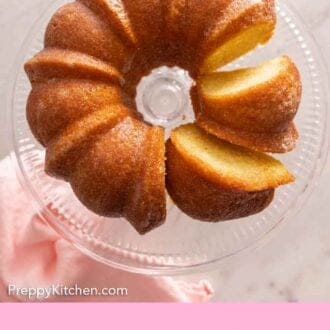
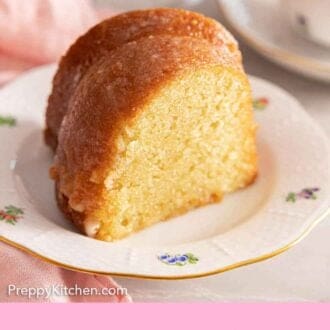
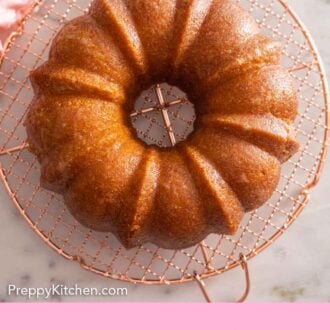
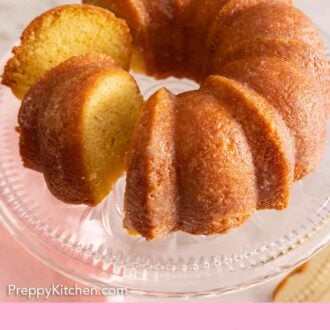
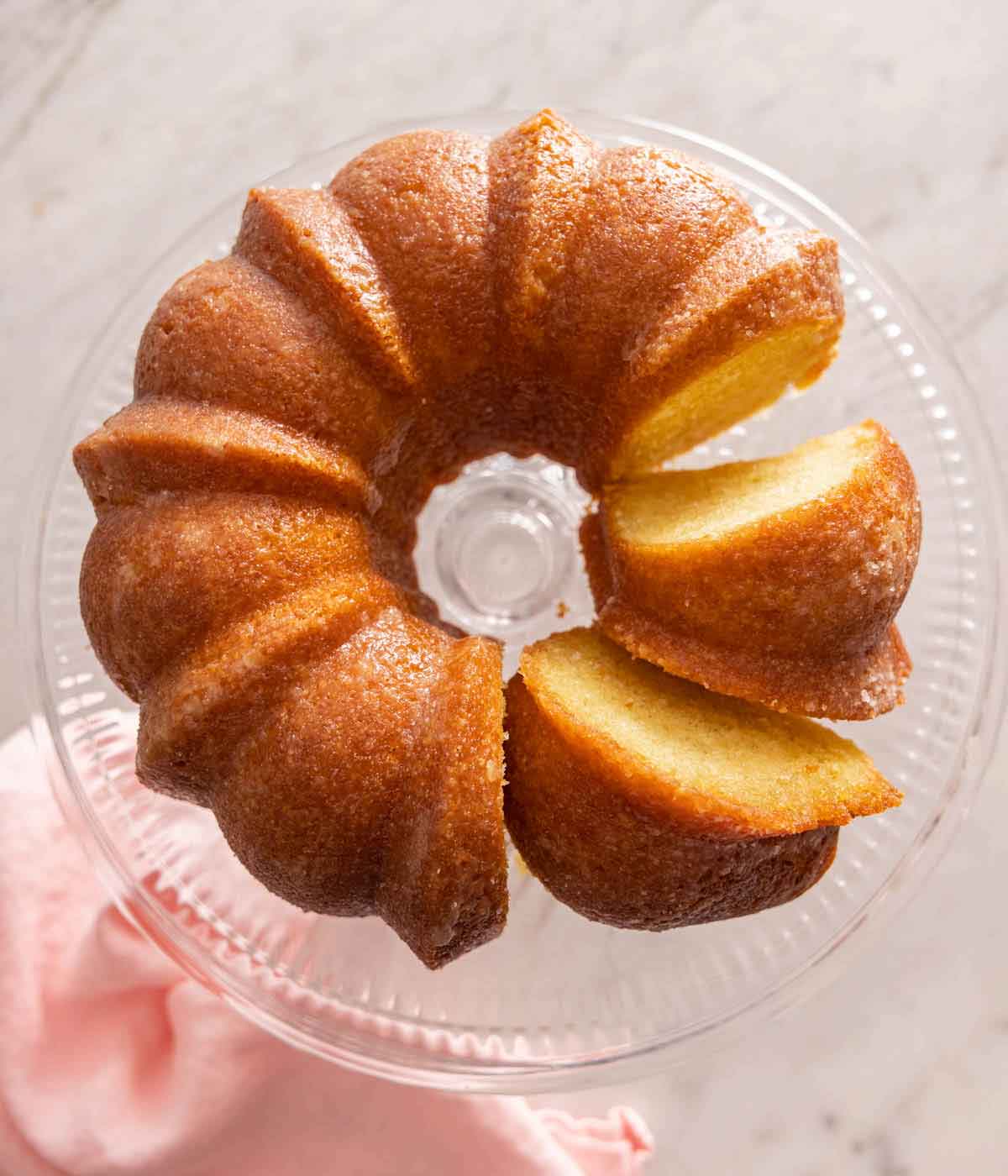
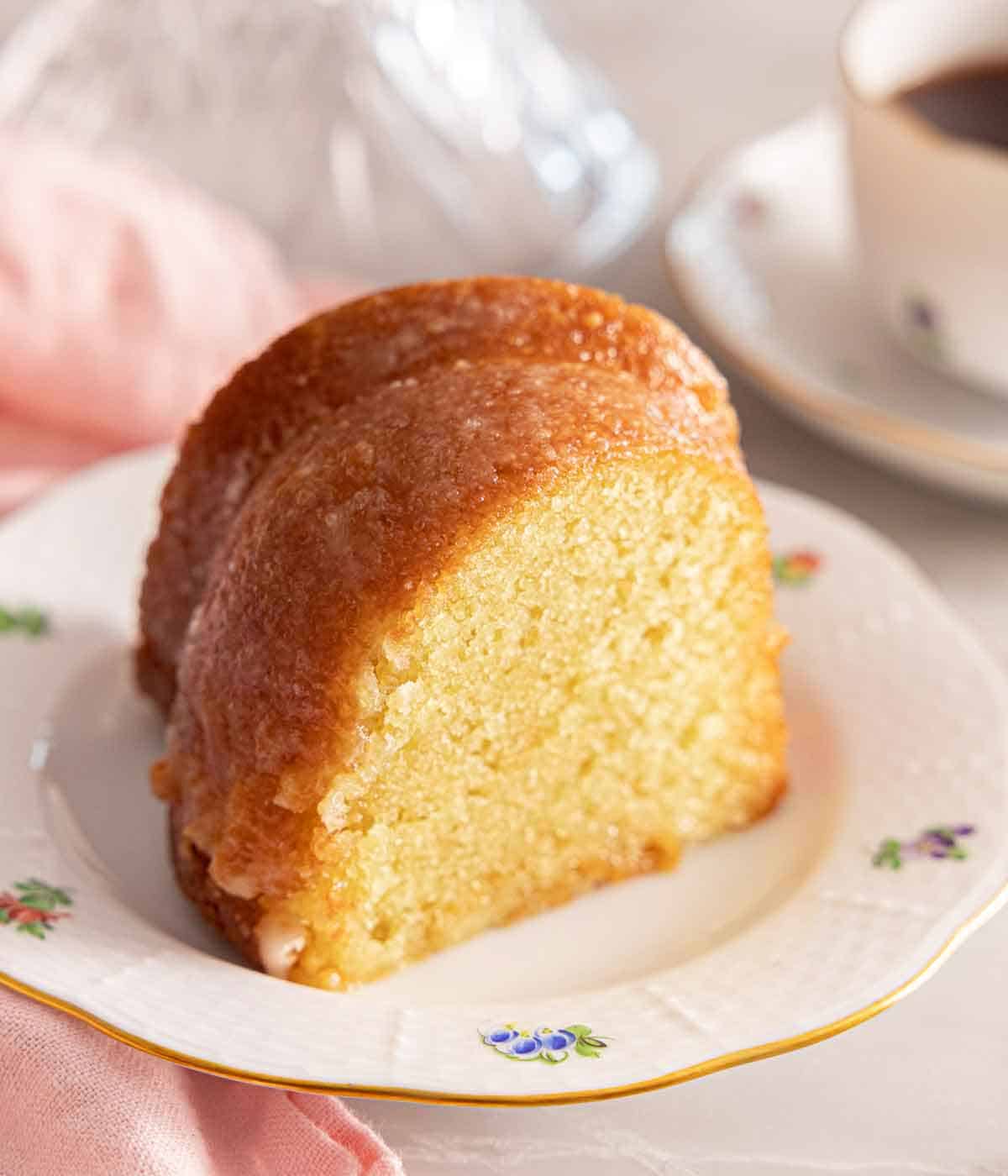
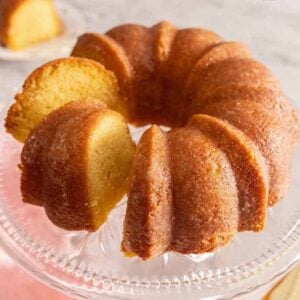
One bite of this rich, soft, and fluffy Butter Cake, and your mouth will start watering. It’s delightfully sweet and will melt in your mouth as you soak the cake with a tasty buttery glaze. With a beautiful golden crust, this cake is impressive on its own and only requires a few simple ingredients to make.
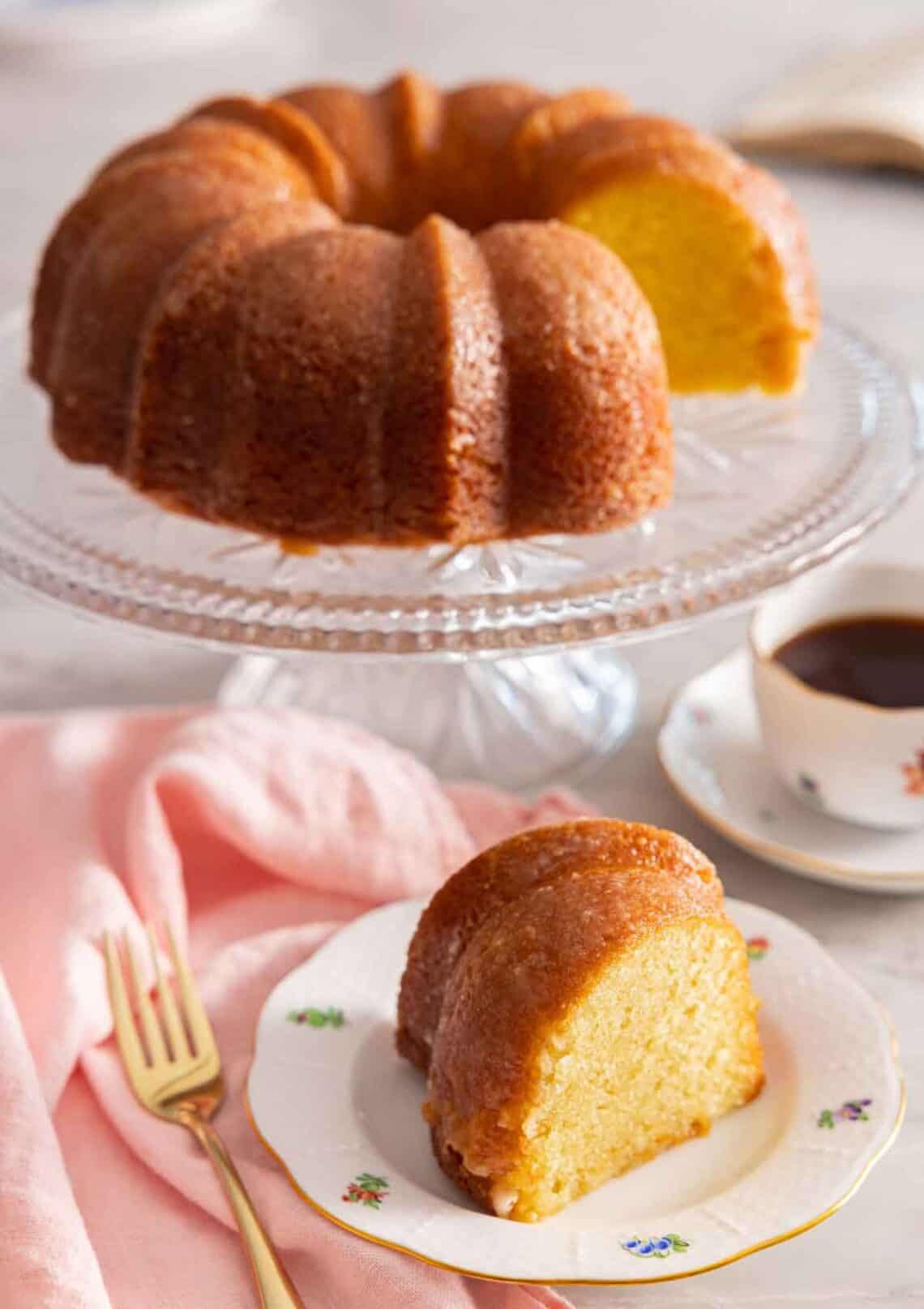
Also known as Kentucky butter cake, this old-fashioned cake is sweet, buttery, and soft. Thanks to the glaze, this cake is moist and stays moist for days at room temperature. The buttery glaze also gives this cake its delicious crisp coating thats reminiscent of a glazed donut.
It’s perfect for any occasion, from potlucks to parties, as both kids and adults love it. You’ll also love it because it’s one of those cakes that do not require any additional decorating. It’s quick, simple, and made with simple everyday ingredients. If you just bought a new bundt pan and need another delicious recipe to use it for, try my chocolate bundt cake recipe, vanilla bundt cake recipe, or sour cream pound cake recipe.
What You Need to Make This Recipe
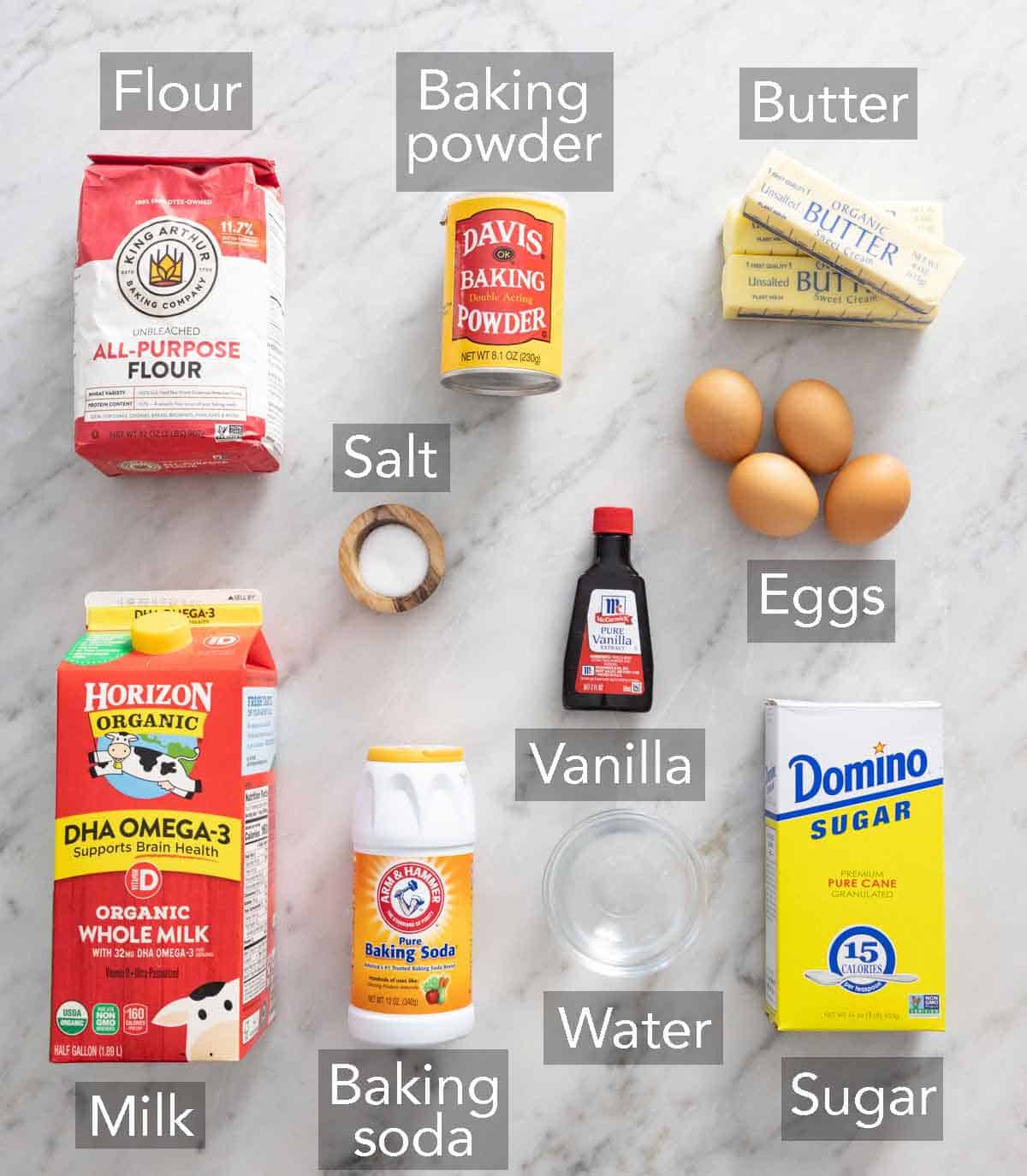
Flour — no need to break out any special flours, all-purpose flour is perfect for this butter cake.
Leavening agents — to keep this cake from being too dense, use baking soda and baking powder to help the cake rise. Make sure they haven’t expired for the best results.
Butter — be sure to buy unsalted butter and not salted butter. Salted butter does not have the same amount of salt across different brands, so you should add your own. Also, make sure you bring the unsalted butter to room temperature for the cake batter, which means it’s soft enough, so when you press into it, your finger leaves a dent.
Milk — I use whole milk to add flavor and ensure the crumb is soft and tender.
How to Make Butter Cake
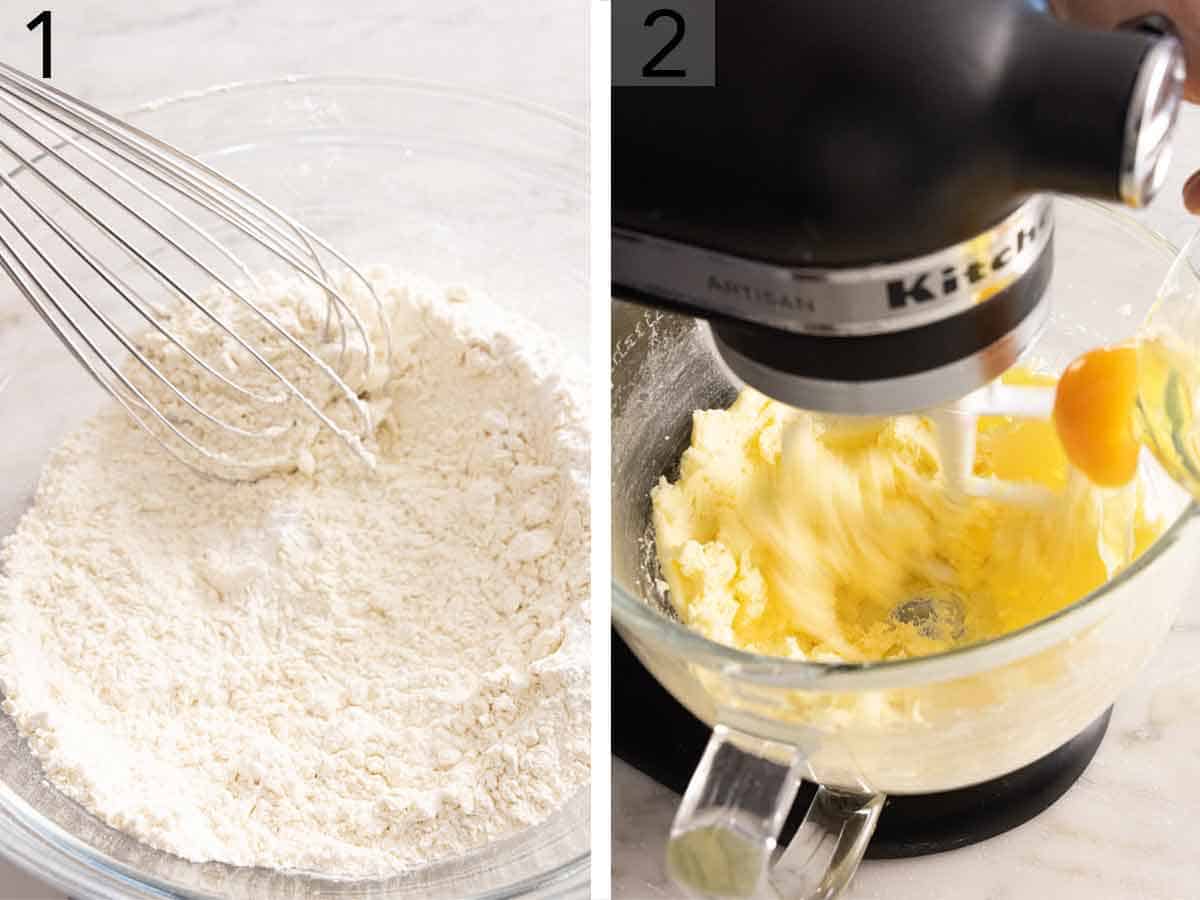
1. In a large bowl, whisk together the flour, salt, baking powder, and baking soda.
2. In a stand mixer fitted with a paddle attachment, beat the butter and sugar at medium speed until fluffy before adding the eggs, one at a time, beating in between each addition.
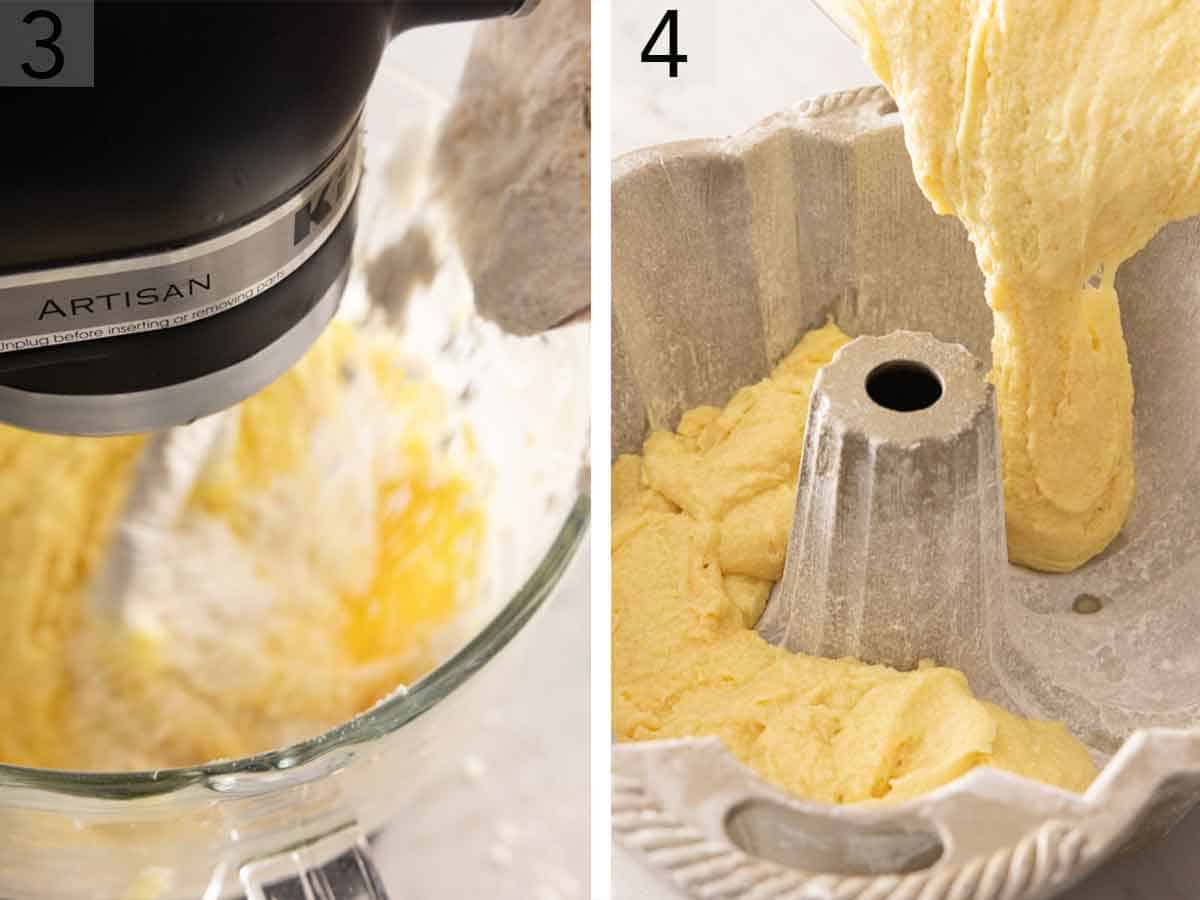
3. With the mixer on low, gradually add the flour mixture to the butter mixture alternating with the milk, beginning and ending with flour mixture.
4. Spoon the batter into the prepared 10- to 12-cup Bundt pan. Bake for 1 hour.
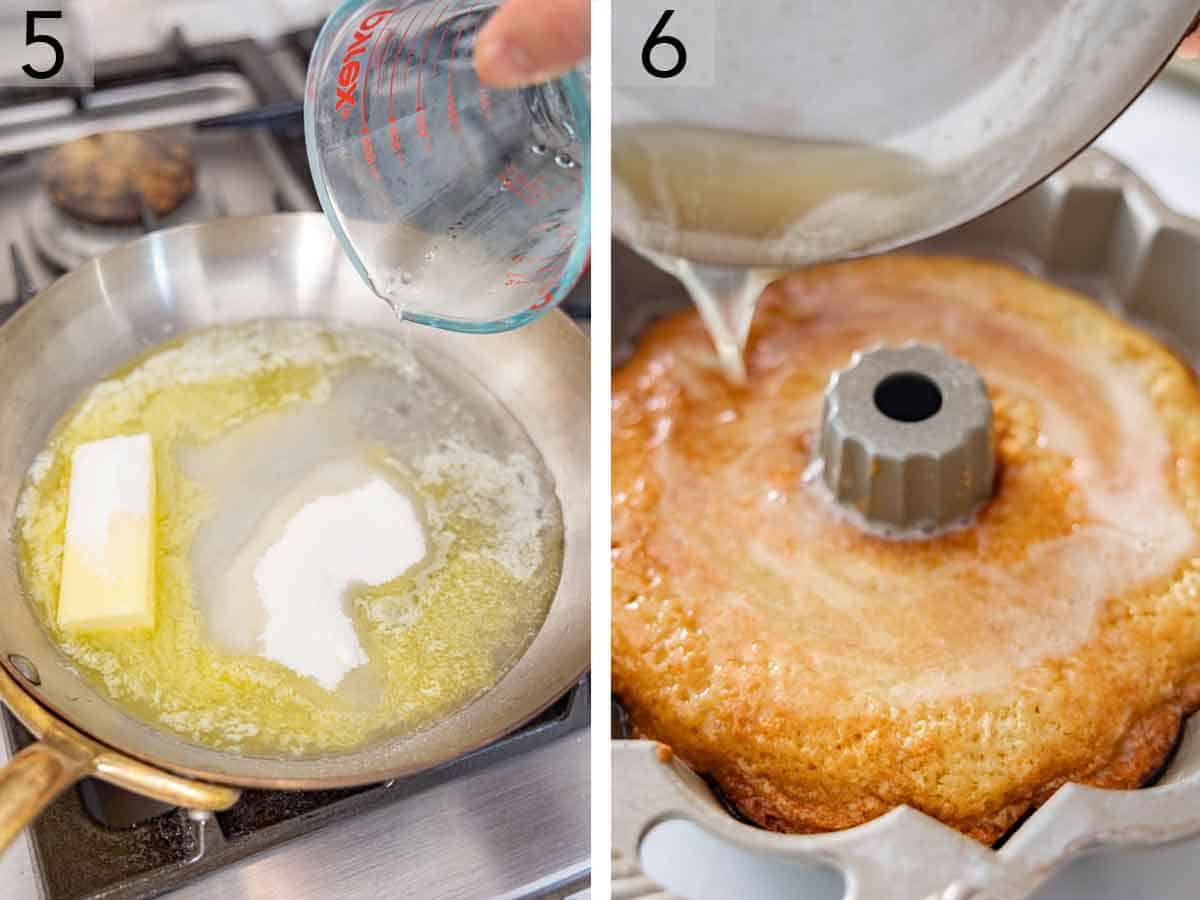
5. To make the glaze, combine the butter, sugar, and water in a small saucepan. Simmer until opaque and slightly thickened. Remove from heat, and stir in the vanilla.
6. Pour the glaze over the cake in the pan. Let cool for 15 minutes before inverting the cake onto a wire rack, and let cool completely before serving.
Pro Tips for Making This Recipe
- I recommend bringing the eggs to room temperature so they incorporate into the batter without overbeating. If you forgot to bring the eggs out, place them in a bowl of warm tap water to help warm them up.
- Double-check the amount of flour used, as adding too much flour will lead to the cake becoming dense. The best and easiest way to measure the flour is using a kitchen scale. If you don’t have one, then fluff your flour with a spoon, sprinkle it into your measuring cup, and use a knife to level it.
- Even if you have a non-stick bundt pan, I recommend still buttering and flouring the pan. Doing so helps the cake slide out smoothly and lowers the risk of the tops of the cake being stuck and ripping when turned out. Make sure to grease every nook!
- Use a small spatula or spoon to push the batter into the nooks of the bundt pan. Lightly tap it on the counter after filling to remove air bubbles at the base, which could mar the surface of your cake.
- Avoid opening the oven to check on the cake. You will release the hot air built up that can cause your butter cake to cook unevenly and fall.
Frequently Asked Questions
What else can I add to the cake?
This butter cake is perfect on its own, but you can always add some toppings! A dusting of powdered sugar over the cake is quick and easy. You can also top each slice of cake with fresh fruit, whipped cream, homemade caramel sauce, ice cream, or my chocolate ganache recipe.
Is this the same as pound cake?
While the ingredients are similar, butter cake and pound cake are different. Pound cake gets the name because it calls for one pound of butter, flour, and sugar. The ratios of the ingredients are different in a butter cake.
How do I store leftovers?
There is no need to refrigerate this cake. Cover it and store it at room temperature once the cake has cooled.
Is this cake freezer-friendly?
You can freeze this cake for up to 3 months. After it is completely cooled, double-wrap it securely with plastic wrap or aluminum foil before freezing. Thaw overnight before enjoying.
If you’ve tried this Butter Cake recipe, then don’t forget to rate the recipe and let me know how you got on in the comments below, I love hearing from you!
Butter Cake
Equipment
- Electric or stand mixer
- Mixing Bowls
- Bundt pan
- Saucepan
- Cooling rack
Ingredients
For the Cake:
- 3 cups all-purpose flour (360g)
- 1 teaspoon salt
- ¾ teaspoon baking powder
- ½ teaspoon baking soda
- 1 cup unsalted butter softened (227g)
- 2 cups granulated sugar (400g)
- 4 large eggs
- 1 cup whole milk (240ml)
For the Glaze:
- 5 tablespoons unsalted butter (70g)
- ¾ cup granulated sugar (150g)
- ¼ cup water (60ml)
- 1½ teaspoons vanilla extract
Instructions
For the Cake:
- Preheat the oven to 325°F. Butter and flour a 10- to 12-cup Bundt pan.
- In a large bowl, whisk together flour, salt, baking powder, and baking soda.
- In a large mixing bowl or a stand mixer fitted with a paddle attachment, beat the butter and sugar at medium speed until fluffy, 3 to 4 minutes, stopping to scrape sides of bowl occasionally. With the mixer on low, add the eggs, one at a time, beating well after each addition.
- With the mixer on low, gradually add the flour mixture to the butter mixture alternately with the milk, beginning and ending with flour mixture, beating just until combined after each addition. Spoon the batter into the prepared pan.
- Bake for 1 hour or until a wooden pick inserted near the center comes out clean.
For the Glaze:
- Right when the cake is out of the oven, combine the butter, sugar, and water in a small saucepan. Bring to a simmer over medium heat, stirring constantly. Cook, stirring constantly, until opaque and slightly thickened, about 2 minutes. Remove from heat, and stir in the vanilla.
- Pour over the cake in the pan. Let cool for 15 minutes. Invert the cake onto a wire rack, and let cool completely before serving. Store the cooled cake covered at room temperature for up to 5 days.
Notes
- I recommend bringing the eggs to room temperature so they incorporate into the batter without overbeating. If you forgot to bring the eggs out, place them in a bowl of warm tap water to help warm them up.
- Double-check the amount of flour used, as adding too much flour will lead to the cake becoming dense. The best and easiest way to measure the flour is using a kitchen scale. If you don’t have one, then fluff your flour with a spoon, sprinkle it into your measuring cup, and use a knife to level it.
- Even if you have a non-stick bundt pan, I recommend still buttering and flouring the pan. Doing so helps the cake slide out smoothly and lowers the risk of the tops of the cake being stuck and ripping when turned out. Make sure to grease every nook!
- Use a small spatula or spoon to push the batter into the nooks of the bundt pan. Lightly tap it on the counter after filling to remove air bubbles at the base, which could mar the surface of your cake.
- Avoid opening the oven to check on the cake. You will release the hot air built up that can cause your butter cake to cook unevenly and fall.
Nutrition
Have you tried this recipe? Tag me today!
Mention @preppykitchen and tag #preppykitchen!