This post may contain affiliate links. Please read our disclosure policy.
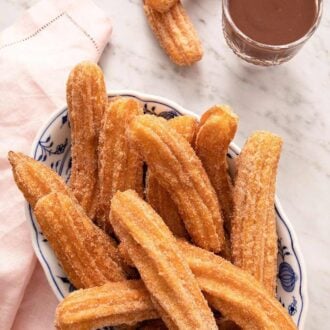
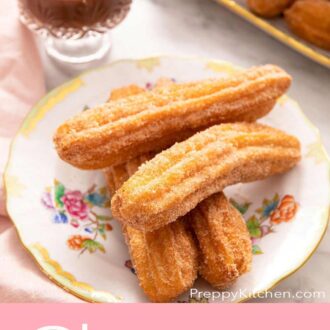
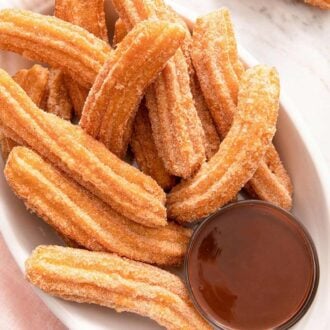
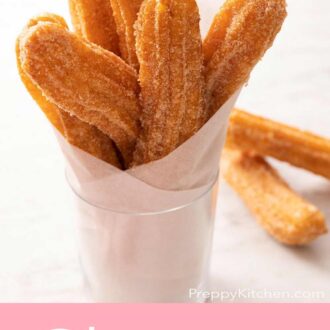
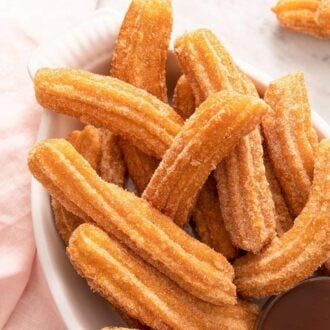
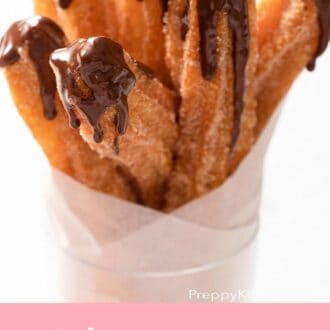
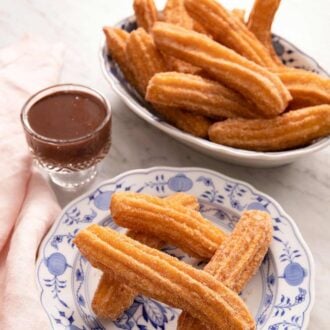
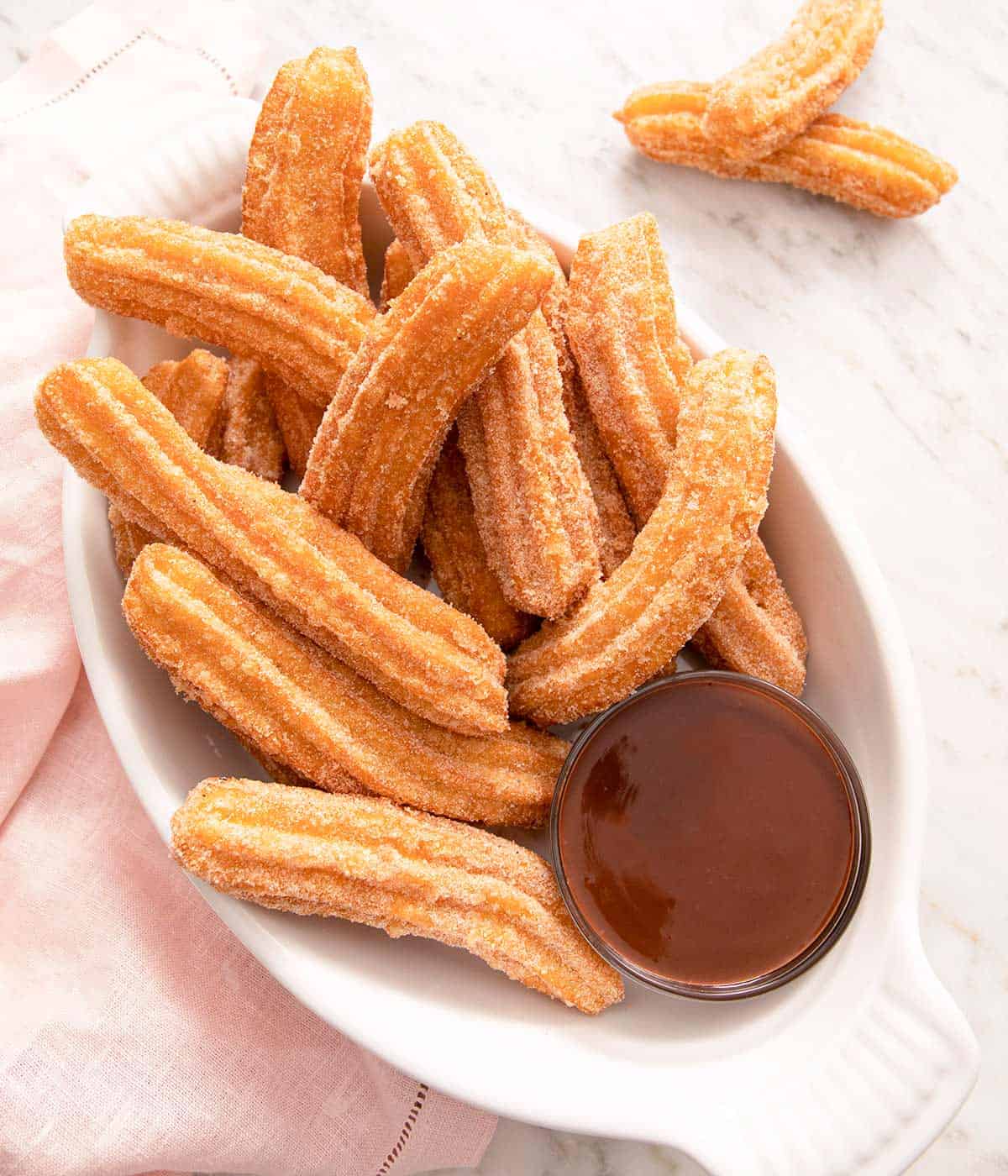
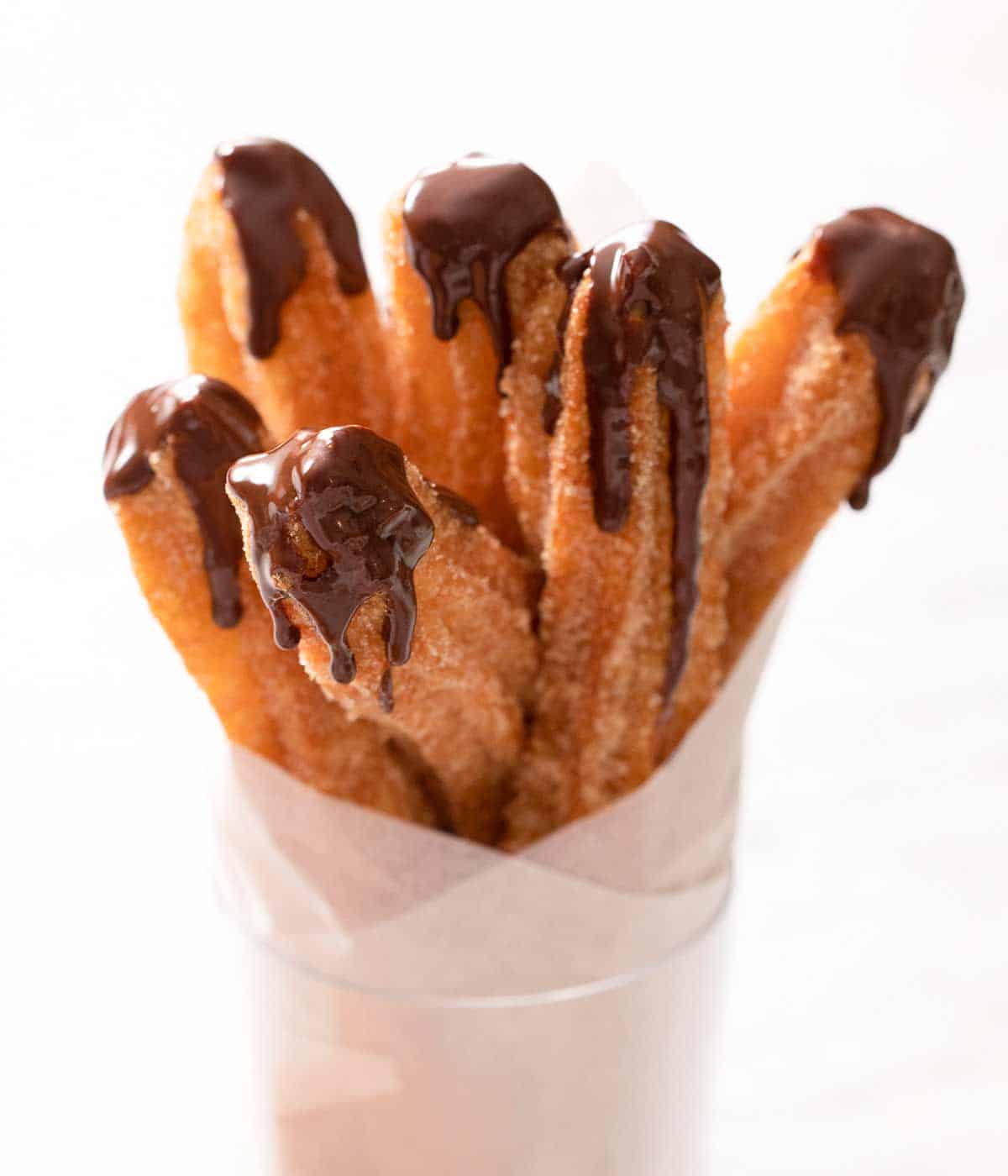
Real churros with crisp ridges, a tender middle, and cinnamon-sugar coating are achievable at home! A simple choux dough is piped and fried until golden brown in just a few minutes. The iconic ridges aren’t just for decoration either. Learn about why they matter and more in my recipe!
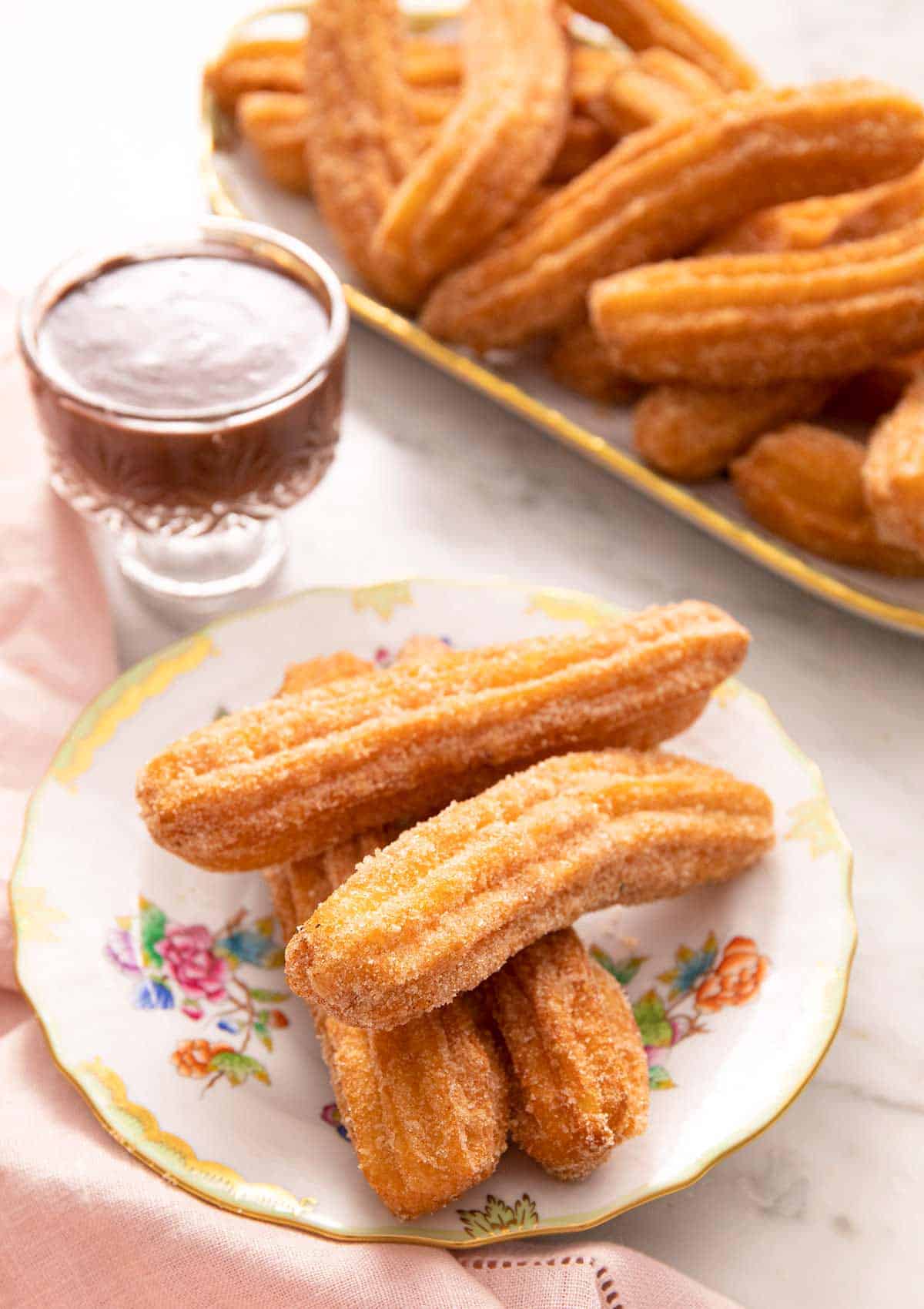
Most churro recipes simply tell you to use a star tip to pipe the dough. But what they don’t tell you is that the decorative tip isn’t actually for decoration: those ridges are a safety feature. A smooth, round churro develops an unbroken skin in the oil; the water in the dough turns to steam, and with nowhere to go, that steam builds until the churro bursts, which can be dangerous in the hot oil. Ridges increase the surface area, giving the steam a way out, and they help the inside cook at the same rate as the outside.
While the star tip isn’t optional (I’ll walk you through my tests to show you exactly why), the rest of the recipe is straightforward! Churros are made from choux pastry—the same dough behind my chocolate éclairs and profiteroles—and piped into hot oil instead of getting baked. The result is a crispy donut-like stick that is super light inside with just the right amount of sweetness from the cinnamon sugar coating.
“I made these with my grandson and I couldn’t believe how “fairly” easy they were and fun! From start to finish it was 45 minutes. Delicious and the chocolate dipping sauce was a nice compliment with a touch of cinnamon.”
Sue
Why Churros Are Choux, Not Doughnut Dough
A churro contains no yeast and no chemical leavening. What makes it puff is water! You boil water and butter, add flour, and cook the paste briefly to gelatinize the flour starches, then beat in eggs. In the oil, the water in the dough flashes to steam and inflates the dough from the inside while the egg proteins set around it. It’s the same process that happens in an oven with an éclair, but we’re using hot oil as the heat source. This turns the outside incredibly crispy!
This matters practically for two reasons. First, the interior is meant to be hollow and slightly moist, not dense or bready. Second, because steam is doing all of the lifting, steam is also what causes churros to fail. Too much trapped steam bursts the churro open. Too little, and you get a limp stick that collapses as it cools.
My recipe is set apart from most of what you’ll find. Many churro recipes skip the eggs and use only a flour-and-boiling-water batter instead. That version is quicker, and it works, but it produces a denser, chewier churro. If you want the more airy or hollow, tender middle you get from a good churro stand, you want the egg version (my recipe)! If you’d rather skip the pot of oil altogether, my air fryer churros use the same dough with no frying at all.
Key Ingredients
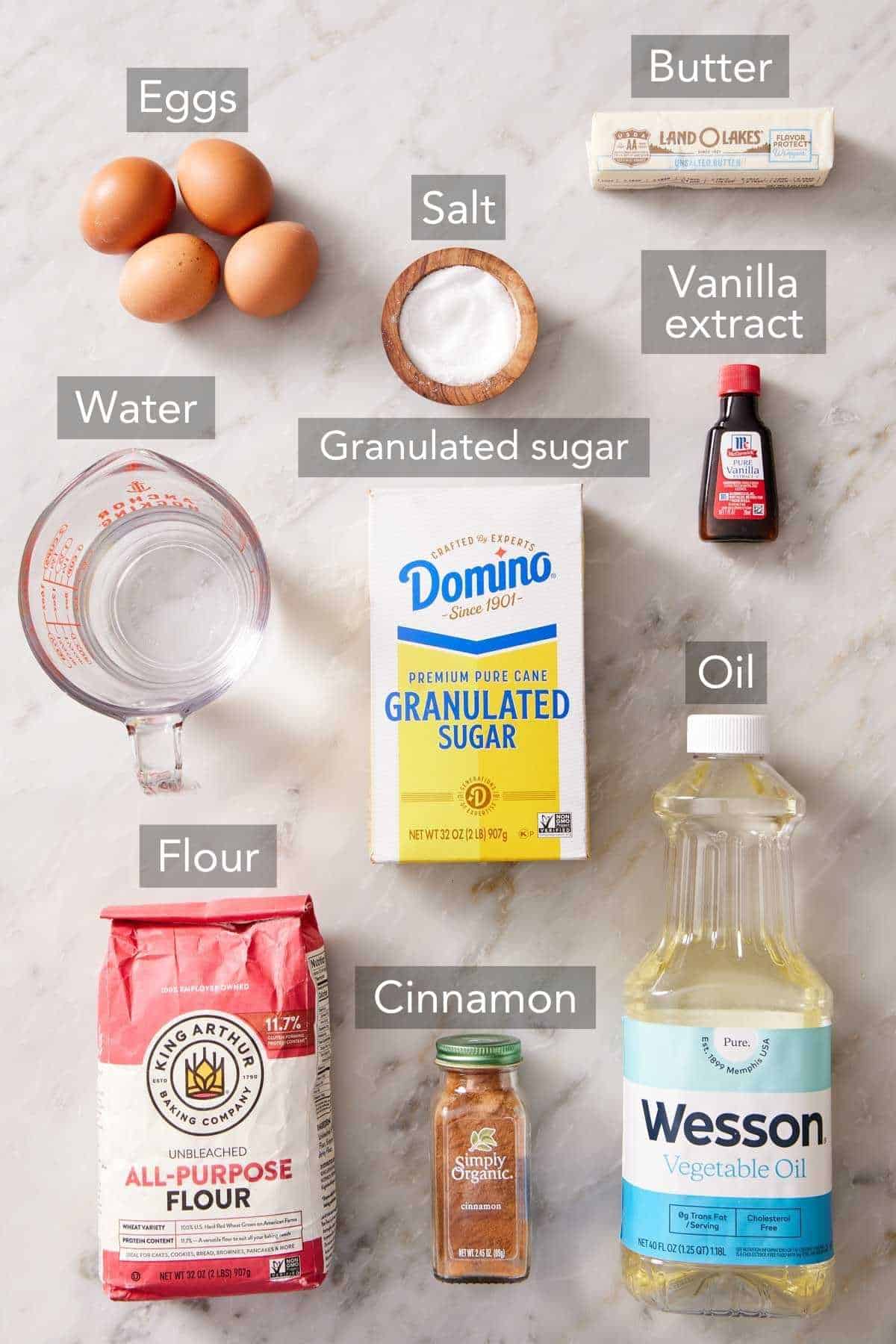
These are the main ingredients you need to make churros. You can find the full list of ingredients and measurements in the recipe card below.
Eggs — you will need a range for this recipe. You will use three whole eggs for sure, but how much of the fourth egg you need depends on exactly how much moisture is in the dough. Eggs can vary in size; you may have slightly under- or over-measured the water, and the amount of water that evaporated when cooking flour paste can vary every time. Have the four eggs on standby to add in some or all of it as needed. I’ll show you how to tell below.
All-Purpose Flour — weigh it if you can. Too much flour makes the flour paste very stiff when you try to cook it; it’s already very thick and balls up, so more flour will make it more challenging to work with. Use my How to Measure Ingredients Correctly guide to learn the fluff and scoop method if you don’t have a scale and need to measure by volume.
Oil — use a neutral one with a high smoke point. Vegetable, canola, peanut, and safflower oils are all appropriate. The frying temperature is high, so see the safety note below about temperature and why smoke point matters.
How To Make Churros
Below, I’ve highlighted portions of the recipe in step-by-step process images along with instructions for making homemade churros. You can find the full set of instructions in the recipe card below.
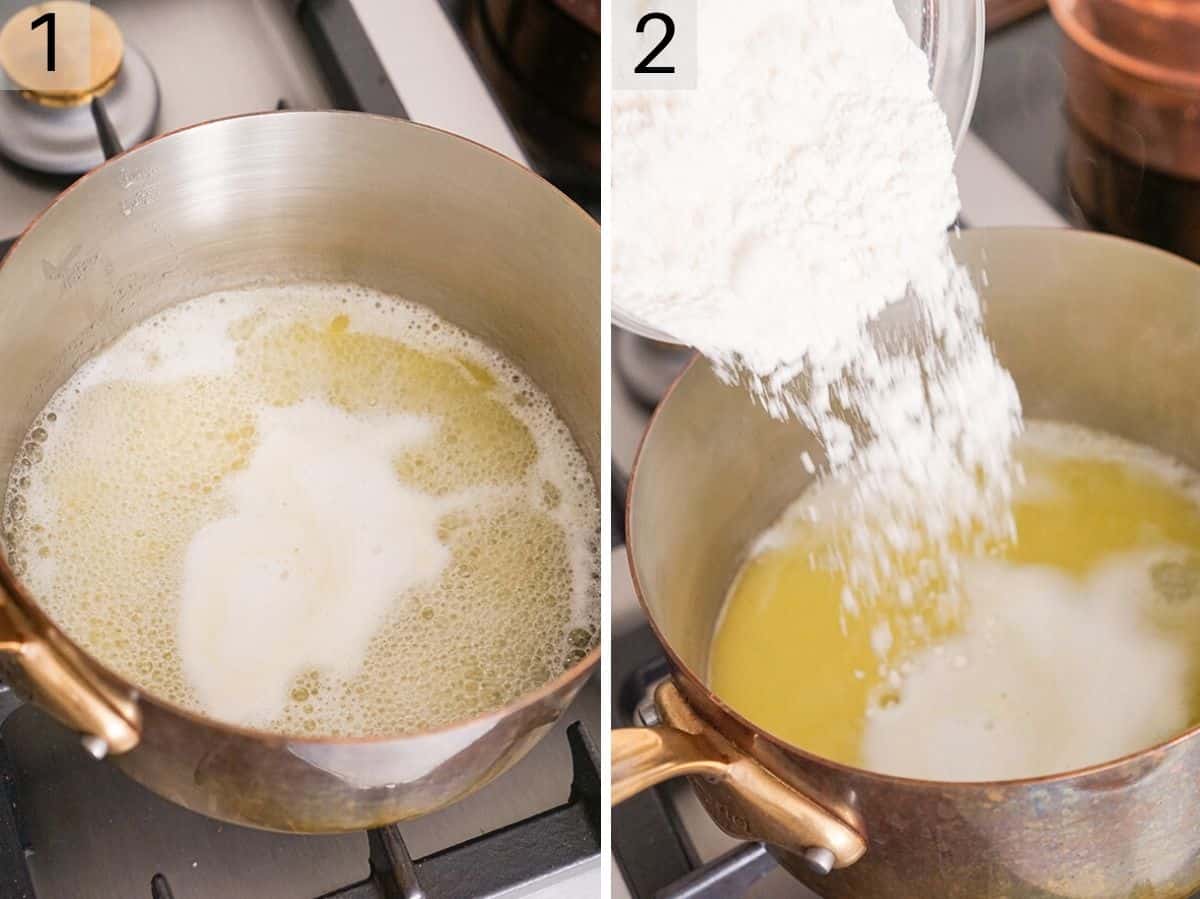
1. Mix the cinnamon sugar together in a wide, shallow dish and set it by the stove. You’ll want it ready the second the churros come out, so I do this first and just set it aside. Boil water, butter, sugar, and salt. The moment it reaches a boil, pull the pan off the heat.
2. All the flour at once. Stir hard with a wooden spoon for 30 to 60 seconds until no dry flour remains. The flour will start to ball up and may stick to the pot a bit, but don’t worry about it.
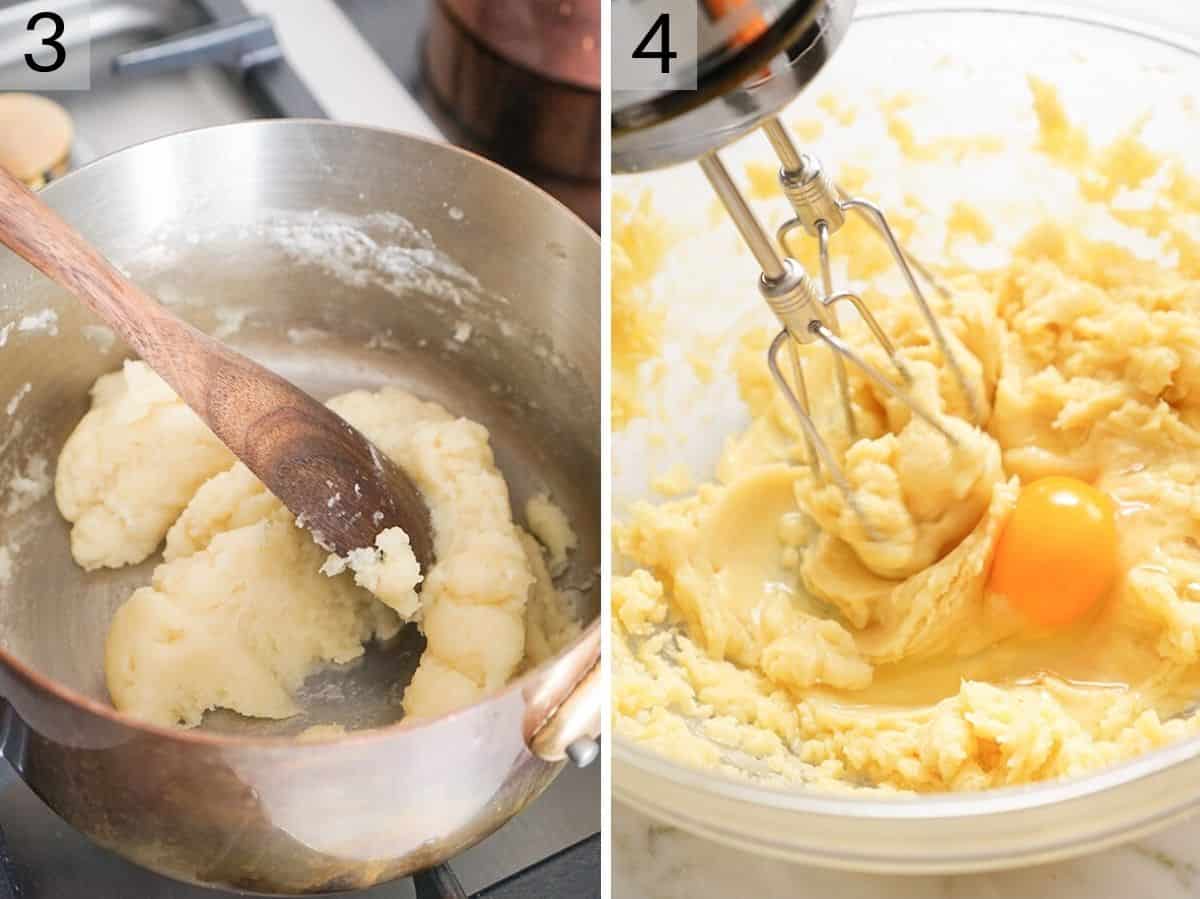
3. Return the pot to the heat for 30 seconds, stirring the whole time vigorously. This drives off moisture and gelatinizes the starches in the flour, which will help set the texture of the churro in the oil. After 30 seconds, scrape the paste into a mixer bowl. Beat for 2 minutes to cool it. Adding eggs to a hot paste scrambles them. This step isn’t optional, and it isn’t a suggestion about patience — it’s the difference between smooth dough and dough with cooked egg lumps in it.
4. Beat in three eggs to the flour paste, then check: the dough should be thick and glossy and fall from the beater slowly and steadily in a thick ribbon. If it clings to the beater and won’t drop, or it falls in clumps, beat the fourth egg separately in a bowl with a fork, then add just a little bit to the mixer. Check the dough again. You may not need all of it. Adding a whole fourth egg blind is the most common way this dough goes too loose, and loose dough loses its ridges in the oil. Beat in the vanilla. Transfer the dough to a piping bag fitted with the large closed star tip and set aside.
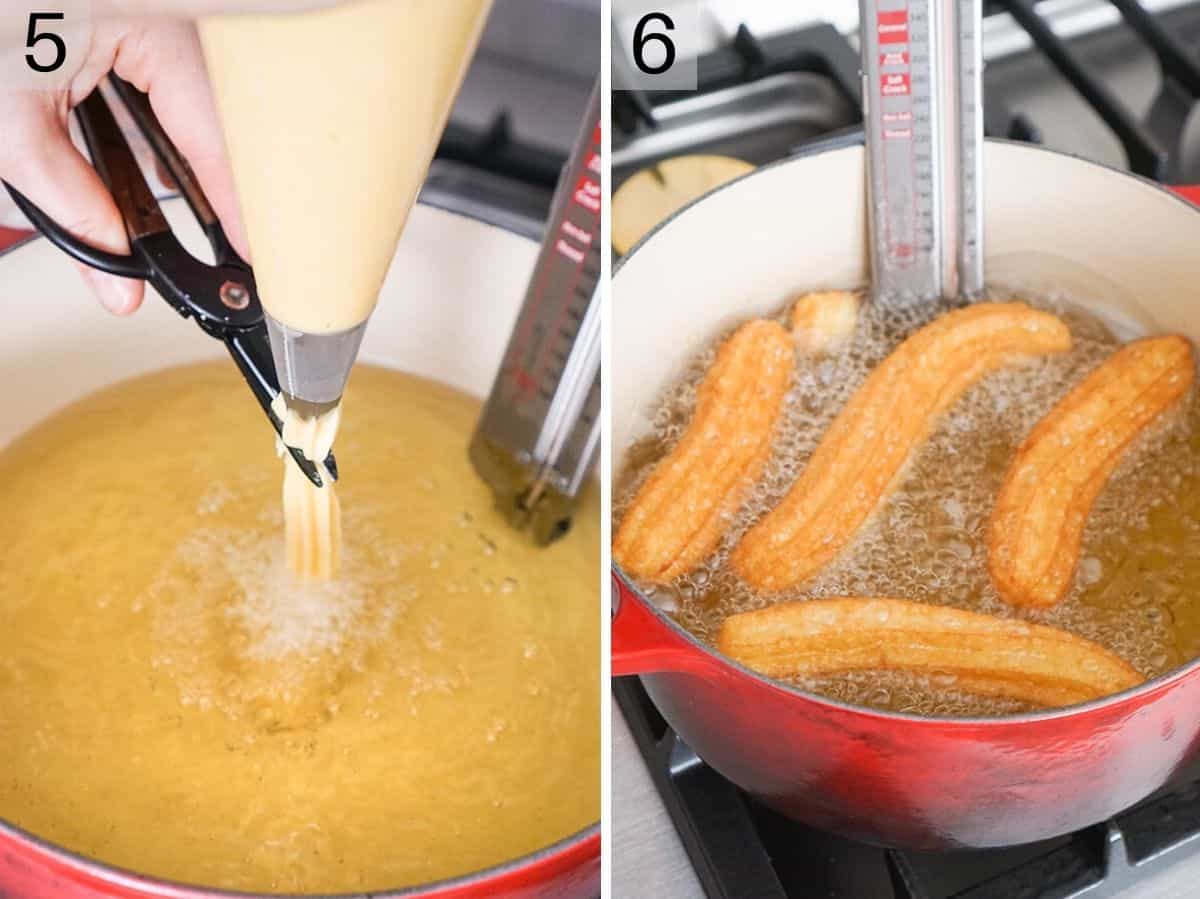
5. Fill a large pot with 2 inches of vegetable oil and bring to 400°F over medium heat. Line a large baking sheet with paper towels and set a wire rack on top, if you have one. Once the oil is hot, pipe a 3-5 inch long strand of the churro dough directly into the hot oil. Use scissors to cut the dough so it releases easily from the piping bag.
6. Fry 4 or 5 at a time until golden brown, turning them occasionally so they cook evenly. Remove them from the pot with a spider strainer or slotted spoon and place them on the baking sheet. Let them drain for at least 30 seconds.
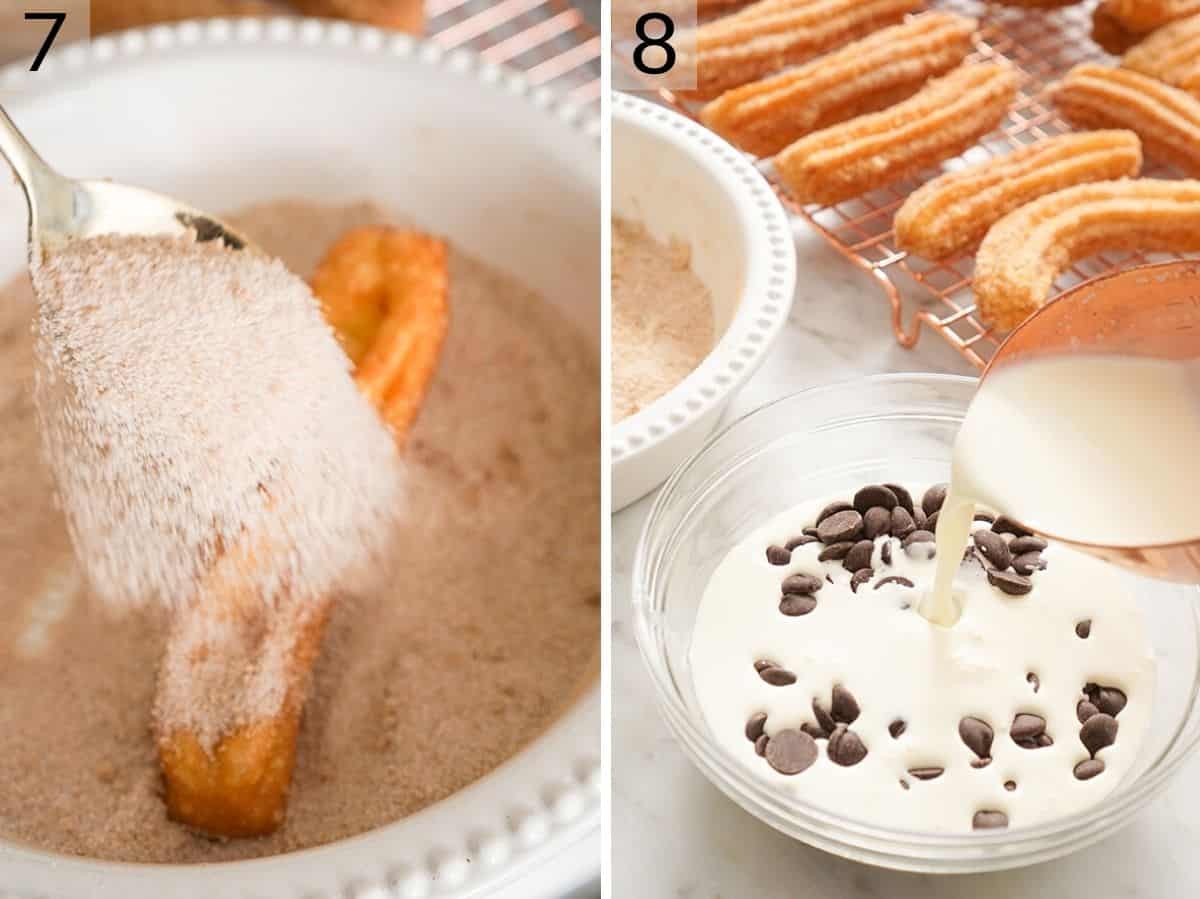
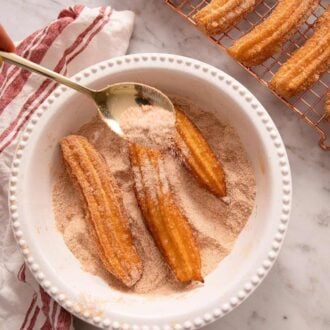
7. Toss the hot churros in the cinnamon sugar. Continue frying and coating with the rest of the dough!
8. If you want to make a dipping sauce, heat the cream and pour it over the chocolate chips. Let it sit for a few minutes, then stir them together until the chocolate is fully melted.
The Star Tip Is Not Optional
As I mentioned earlier, the tip you use to pipe the churro isn’t optional. Use a large closed star tip, not a round tip, a plastic bag with the corner snipped off, or even an open star tip. Here’s why:
What goes wrong without ridges? A smooth cylinder of choux hits 400°F oil and forms a uniform sealed crust almost immediately. The water inside keeps turning to steam, pressure builds, and the weakest point in that shell gives way. At best, you lose the churro and spatter the stove. At worst, the rupture happens after you’ve lifted it out and the steam and hot oil find your hand. Neither one is good and can be very dangerous!
Here’s why the ridges work: they increase surface area relative to volume, so heat penetrates to the center faster and the inside finishes closer to when the outside does. The valleys between ridges also stay slightly softer and set later, which gives the steam inside a route out, gradually, instead of building up pressure.
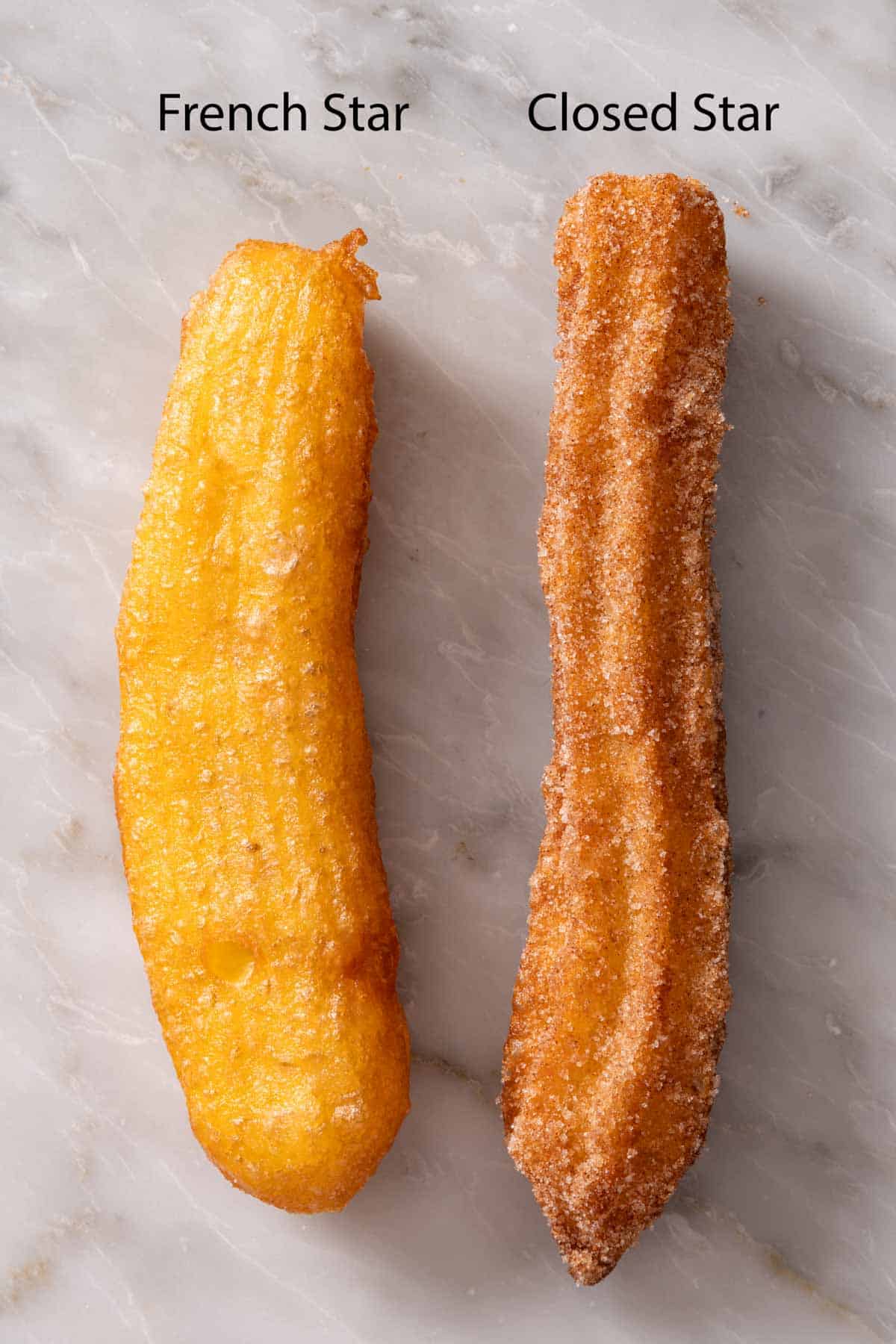
The specific tip I use. An Ateco 846 is what this recipe was piped through. Any large closed star will work (use a ½” opening for the best churro size). I tested this with a French star tip (869) compared to a closed star tip (846) to show you the difference. You can see the fried churro does not have very defined ridges. It also developed pockets of steam inside that formed bubbles (the sunken spots in the churro). What you can’t see is the heavy oil splattering that occurred as the churro was frying because of larger steam pockets bursting while cooking.
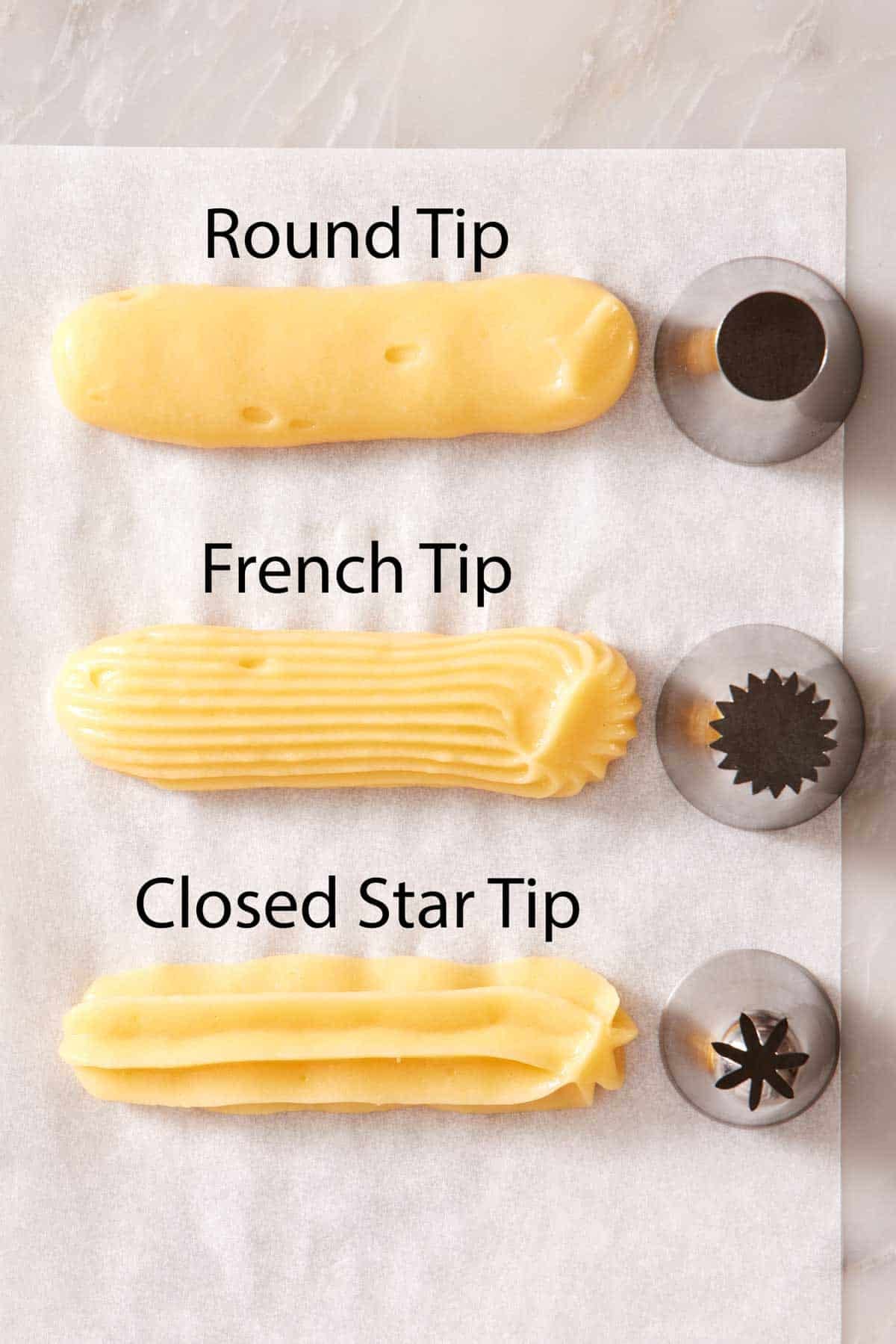
For reference, this is what an open round tip, French star tip, and close star tip look like when piped. When you pipe the churros, look for tall, defined ridges in the dough to know it will cook properly. It’s worth piping a small amount out first to make sure your tip is producing the right shape before anything hits the fryer.
Reading the Oil
The oil temperature is the most important variable for cooking the churros. If you have the wrong temperature, the churros can undercook. Here’s what each range produces:
| Oil temperature | What happens |
| Below 340°F | Churros absorb oil before the crust sets. Greasy, heavy, pale. |
| 340–360°F | Slower color, more even cooking through to the center. Safest range for thicker churros, if you are using a wider piping tip (above ½” opening). |
| 360–375°F | The working range most churro recipes use. Good crust, cooked center, but less crisp outside. |
| 380°F and above | Crust sets very fast. The exterior gets supremely crunchy, and the center stays very moist. There’s a better contrast of textures! |
The practical rule: if your churros are browning deeply in well under a minute per side, the oil is too hot, and the centers will be raw regardless of how good they look. Drop the heat by 10-15 degrees before the next batch. If they’re taking well over two minutes and coming out greasy, it’s too cool. Increase it by 10-15 degrees before continuing.
I retested this churro recipe when updating this post, and I actually increased my oil temperature! I used to fry them around 375°F. The results were still good, but I decided to get my oil a bit hotter to see if I could increase the crispiness without burning them. It worked great! 400°F seems high, but these cook so fast anyway that I didn’t have any burn. Of course, adjust your heat and oil if needed for your stove and churro dough.
Recovering the oil temperature between batches matters as much as the starting temperature. You will have to fry these batches, and when you pipe churros, the dough is much cooler than the oil temperature, causing it to drop. Let the oil rise back up before you do the next batch (it should only take a minute or two), or you will end up with undercooked or soggy churros by the end.
Frying Safely
Please don’t skip this section! Frying churros at home is worth it, but you should always keep safety in mind when it comes to working with a pot of hot oil.
Know the smoke point of your oil. The deep fry oil needs to reach 400°F, but you need to know what type of oil to use. Canola oil’s smoke point is 435°F, and peanut, safflower, and soybean oils are 450°F (MSU Extension, Deep fat fryer safety). This is why I recommend one of these for this recipe—this recipe works below the smoke point of those oils. Past the smoke point, and your oil turns bitter. Always check your oil against the temperature you’re frying at, and leave at least 10 degrees of buffer.
Never leave the pot. Frying is fast enough that a few unattended minutes is the difference between golden and a fire hazard. Keep a lid or a fire blanket within reach and never put water on or near hot oil. (It will splatter, just like the steam issue we discussed at the start!)
Snip near the surface, not above it. Make sure your churro is partially in the oil before you snip it off. Dropping the dough from a height is how oil gets splashed out of the pot. Hold the bag low, pipe, cut close.
Let them cool slightly before you enjoy one. Beyond draining oil, it lets residual steam vent before you handle them, so you avoid a steam burn on your hands or mouth.
Pro Tips For The Best Churros
Check the dough consistency before you pipe into the oil. If your choux dough looked right in the bowl, but when you added it to your piping bag, it’s loose and running out the piping tip (without you squeezing it), you will want to fix it before frying. Otherwise, you will lose the ridges, and they can burst. Cook a small amount of flour paste using ¼ cup water, 2 tablespoons butter, and ¼ cup flour. Let it cool for a few minutes, then beat small chunks of it into your choux dough until it thickens to the right consistency. You might not need all of the paste!
Serving and Storing
Churros are at their best within about twenty minutes of coming out of the oil. I recommend serving as they are ready rather than holding them.
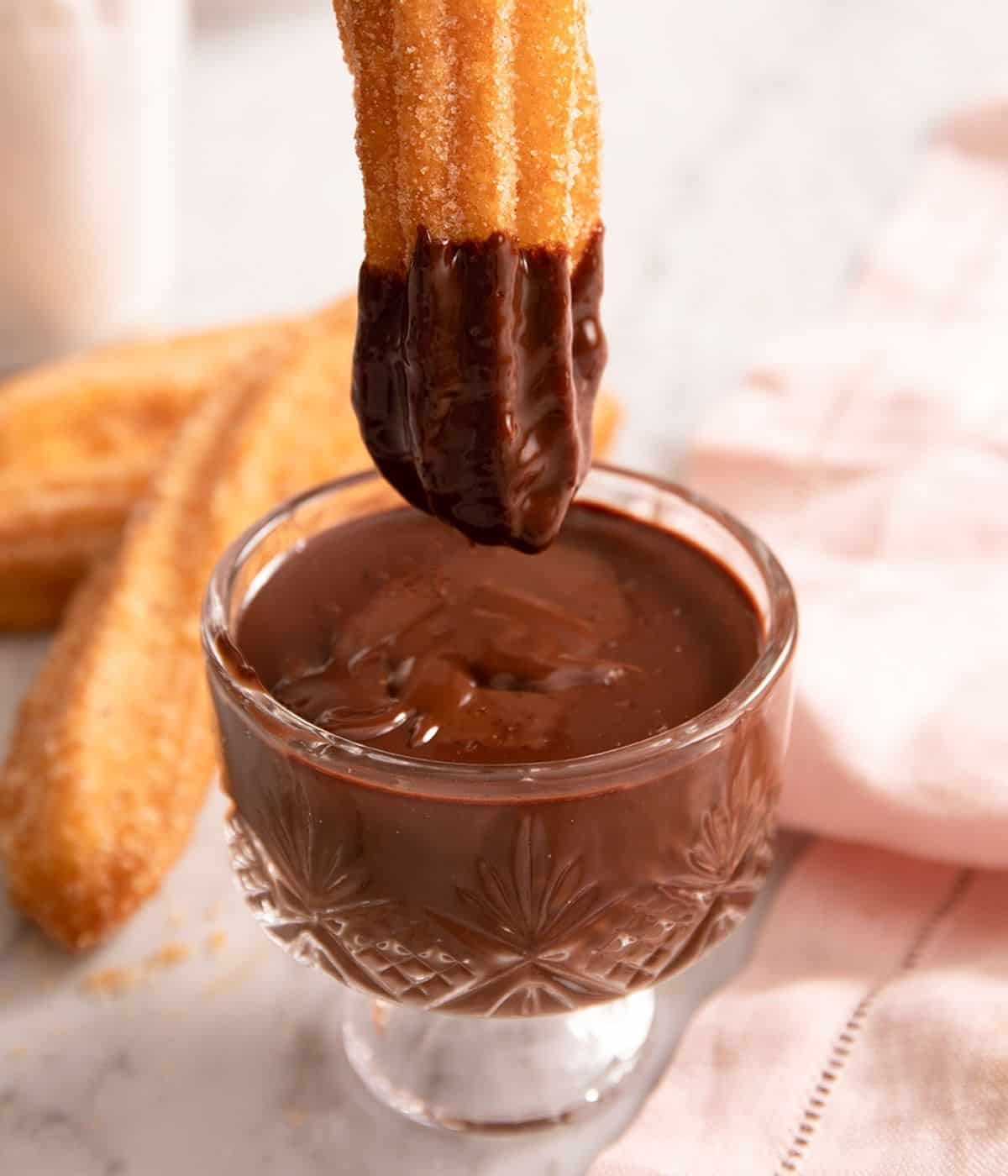
Chocolate sauce is the traditional pairing: chocolate chips and heavy cream melted together over barely simmering water, with cinnamon stirred in. Dulce de leche and caramel both work, and in Spain churros are dipped into thick drinking chocolate at breakfast rather than eaten as dessert!
Making ahead: fry them, cool them completely, and store them without the cinnamon sugar. Sugar draws moisture and turns a stored churro soggy. Reheat in the oven or air fryer at 350°F until crisp, then coat with sugar and serve. The texture will be a little bit chewier but still delicious.
Leftovers keep 1 to 2 days in a sealed container, or 2 months frozen. Reheat from frozen in the oven using the same warming instructions from above when making them ahead (a microwave will make them limp).
Churros Recipe
Ingredients
For the Cinnamon Sugar Coating:
- ¾ cup granulated sugar (150g)
- 2 teaspoons cinnamon
For the Churros:
- 1 cup water (240ml)
- 6 tablespoons unsalted butter (85g)
- 1 tablespoon granulated sugar
- ½ teaspoon salt
- 1 cup all-purpose flour (120g)
- 3 to 4 large eggs
- 1 teaspoon vanilla extract
- 1-2 quarts vegetable oil for frying
Instructions
For the Coating:
- Stir together the sugar and cinnamon in a large bowl or shallow dish. Set aside.
For the Churros:
- In a large saucepan, bring the water, butter, sugar, and salt to a boil over medium-high heat. When it boils, immediately take the pan off the heat.
- Using a wooden spoon, add all the flour at once, and stir hard until all the flour is incorporated, 30 to 60 seconds.
- Return to the heat and cook, stirring, for 30 seconds. Scrape the mixture into a large mixing bowl or the bowl of a stand mixer fitted with a paddle attachment.
- Mix at medium speed for 2 minutes to start cooling the mixture down. With the mixer running, add 3 eggs, one egg at a time, stopping to scrape down the bowl between each addition. Add in the vanilla. Mix until the dough is smooth and glossy and the eggs are completely incorporated. The dough should be thick but should fall slowly and steadily from the beaters when you lift them out of the bowl. If the dough is still clinging to the beaters, beat the remaining 1 egg and mix in a little at a time until the dough is the right consistency (you may not need the whole egg). Transfer the dough to a large piping bag fitted with a large closed star tip. I used an Ateco 846. (DO NOT use a plain round tip! The ridges are important to keep the churros from bursting open when frying.)
- Fill a large pot with 2 inches of oil, insert a deep fry or candy thermometer, and heat to 400°F over medium heat. While the oil is heating, line a large baking sheet with paper towels.
- Working carefully, pipe 3-5-inch-long strips of dough into the hot oil. (It’s best to fry about three at a time.) Fry on both sides for 1 to 2 minutes or until golden brown. Remove the churros with tongs and allow to drain on the paper towels for about thirty seconds before placing in the cinnamon sugar. Toss in the sugar, tapping to remove any excess, and serve immediately.
Notes
- To make a chocolate dipping sauce, combine ½ cup chocolate chips, ½ cup heavy cream, and 2 teaspoons cinnamon in a bowl on top of a pot of barely simmering water. Stir occasionally until melted and thoroughly combined.
- Always use a thermometer. Oil that’s too hot browns the outside before the center cooks; too cool and the churros absorb oil. Also, just a reminder to never leave the pot of hot oil unattended!
- Roll in cinnamon sugar while the churros are still hot so it sticks. If the churros cool down, some sugar will stick but not much.
Nutrition
Have you tried this recipe? Tag me today!
Mention @preppykitchen and tag #preppykitchen!
Frequently Asked Questions
Spanish in origin, and eaten across Spain and Portugal, as well as Latin America and the Philippines. In Spain, they’re most often a breakfast item dipped in thick hot chocolate. There’s also a thicker version that goes by the name “porras.” They’re enormously popular in Mexico too, which is why the association is so common, but the dish traveled there rather than starting there.
Two likely causes. Oil that’s too hot sets the crust before heat reaches the center, so the churros can get very dark on the outside before the center finishes cooking. And churros piped too thick simply can’t cook through in two minutes before the outside is the right color. If you cut one open and the center is wet paste rather than hollow and tender, drop the oil temperature and pipe thinner.
Yes! A round tip or a snipped bag corner produces a smooth churro that seals steam inside and can burst under pressure. It’s a burn risk, not just a texture or appearance preference. If you don’t own a star tip, make the air fryer version instead, or wait until you do.
Yes, my air fryer churros use this same choux dough, piped and frozen briefly, then air-fried. No pot of oil to worry about! They take longer to cook, and the texture is slightly different, but they are very tasty.
More Fried Treats Recipes To Try
Master your frying skills with one of these delicious recipes:
- Beignets — the New Orleans square, yeast-raised rather than choux, buried in powdered sugar.
- Funnel Cake — poured rather than piped, and the closest thing to churros in the fairground family.
- Old Fashioned Donuts — a classic fried donut that is delicious glazed or tossed with sugar.
- Apple Cider Donuts — a fried cake donut also coated in cinnamon sugar while they’re hot.
- Glazed Donuts — yeast-raised and fried, if you want to keep the oil out anyway.
If you’ve tried this churro recipe, then don’t forget to rate it and let me know how you got on in the comments below. I love hearing from you!