This post may contain affiliate links. Please read our disclosure policy.
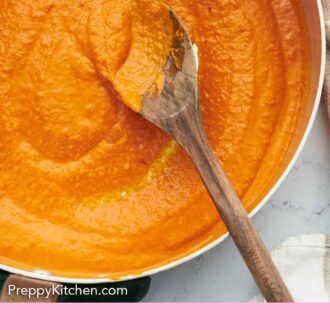
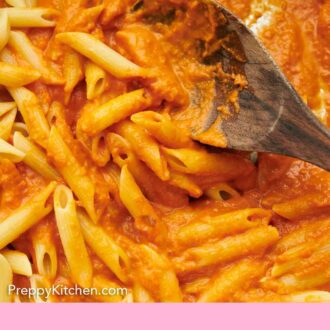
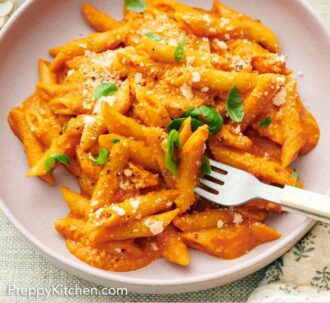
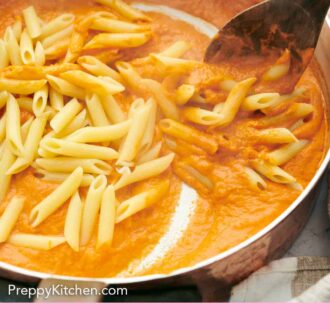
Homemade vodka sauce is a must-try! It’s creamy, luxurious, and loaded with flavor. It’s a quick and easy recipe perfect for busy weeknights.
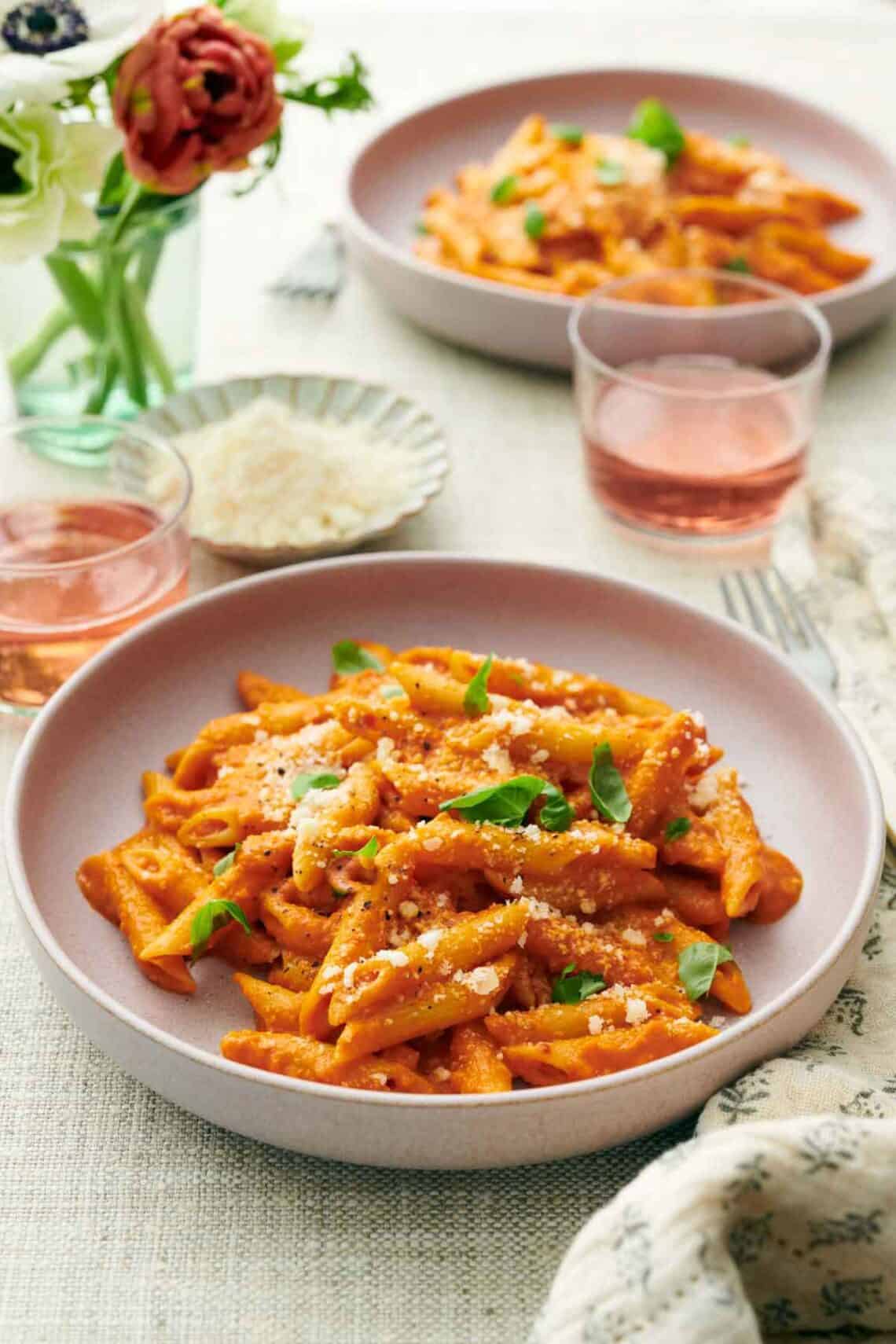
Try this vodka sauce recipe for your next pasta dinner! Ready in about 30 minutes with simple ingredients, this tasty pasta sauce is creamy and indulgent, with complex flavor from tomatoes, garlic, and a splash of vodka. Your family will love it!
Vodka in pasta sauce might seem surprising, but it is honestly a game-changer in this recipe! It complements the acidity of the tomatoes, enhances the other flavors, and also helps to create a cohesive sauce that won’t separate. And don’t worry, the sauce does not taste even a little bit boozy (and doesn’t contain alcohol after cooking!). For more homemade pasta sauce recipes, try my marinara sauce, bolognese sauce, and spaghetti sauce.
What You Need To Make This Recipe
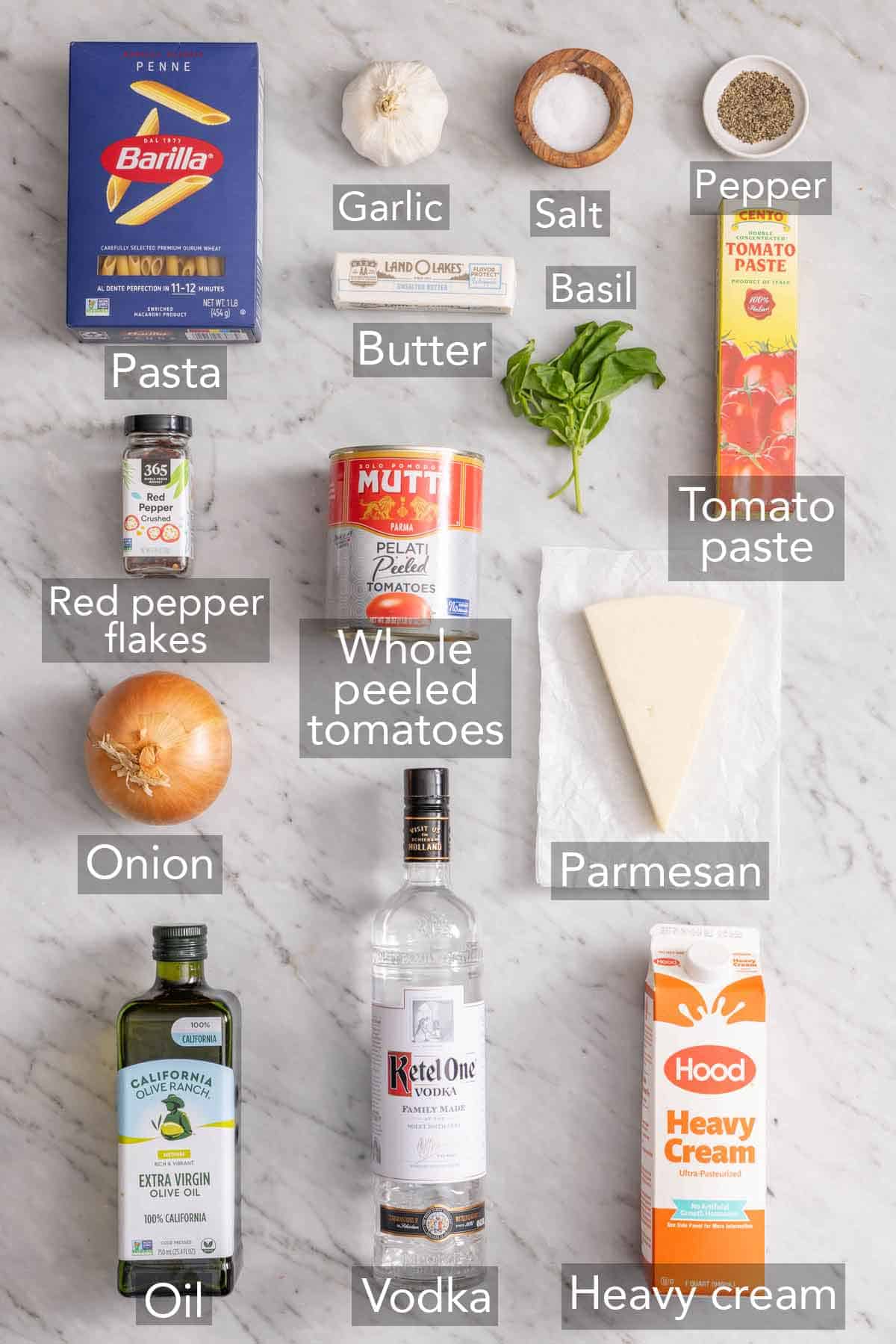
Butter and Olive oil — unsalted butter and olive oil create a foundation for the sauce to help the cream and tomatoes emulsify while also providing rich flavor.
Aromatics — a yellow onion and minced garlic build flavor from the very beginning.
Tomatoes — you need tomato paste as well as a can of whole peeled tomatoes (like San Marzano tomatoes). Use good quality tomatoes since it’s the main flavor of the sauce.
Vodka — make sure you use plain, unflavored vodka. It does not need to be a top-shelf brand.
Cream — heavy cream is a must for a rich, silky sauce. I don’t recommend any swaps.
Seasoning — you need ⅛ teaspoon red pepper flakes (use more or less depending on how spicy you want it), salt, and ground black pepper.
Pasta — adding pasta is optional! You can stir in cooked pasta or use the sauce in a variety of other dishes.
Basil — fresh basil adds a hint of herbaceous flavor and sweetness.
Parmesan cheese — parmesan cheese introduces a nutty flavor to the sauce and also increases its luxurious creaminess.
How To Make Vodka Sauce
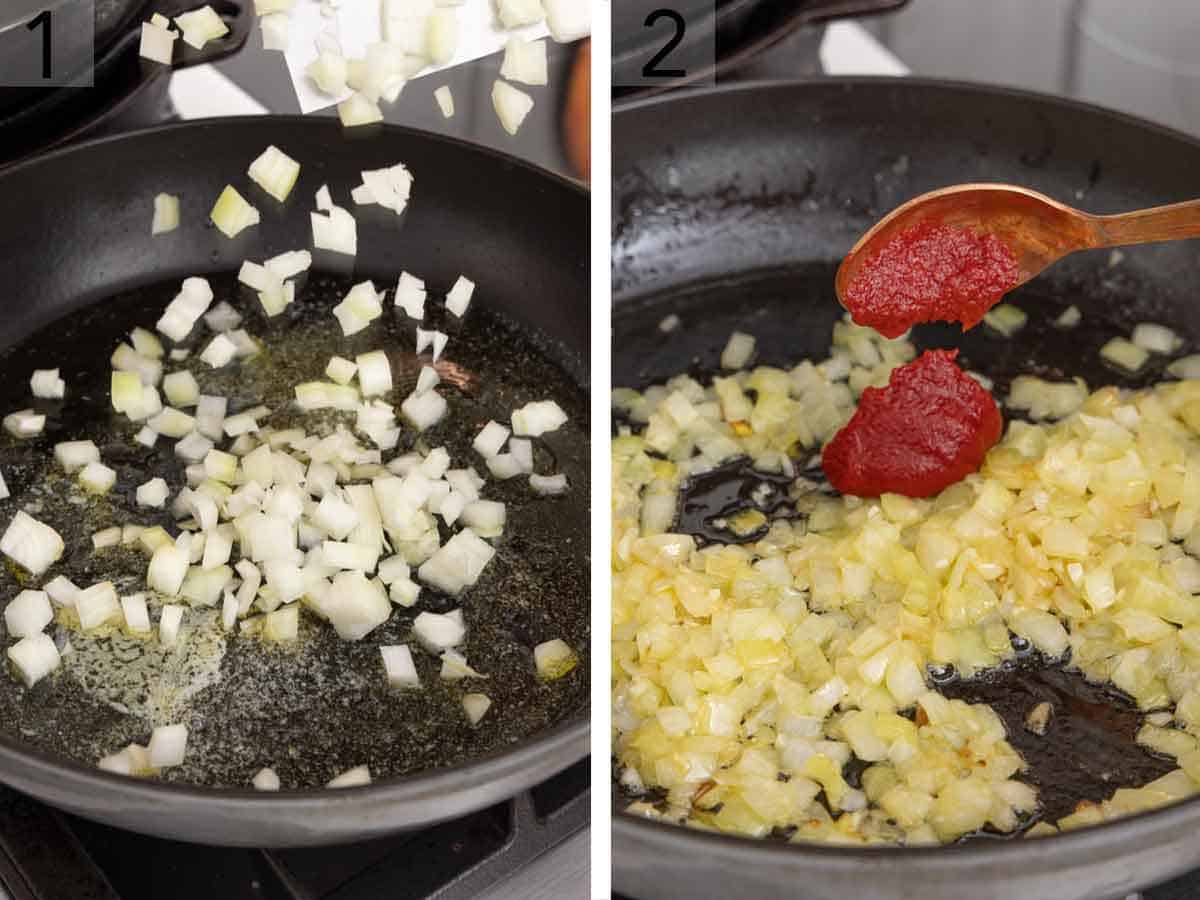
1. Melt the butter and olive oil in a large skillet over medium heat. Add the chopped onion and cook for 6 minutes until slightly softened. Add the minced garlic and cook for 1 more minute.
2. Add the tomato paste to the skillet and stir well to combine. Let it cook for 2 to 3 minutes, stirring frequently, until the paste has darkened in color.
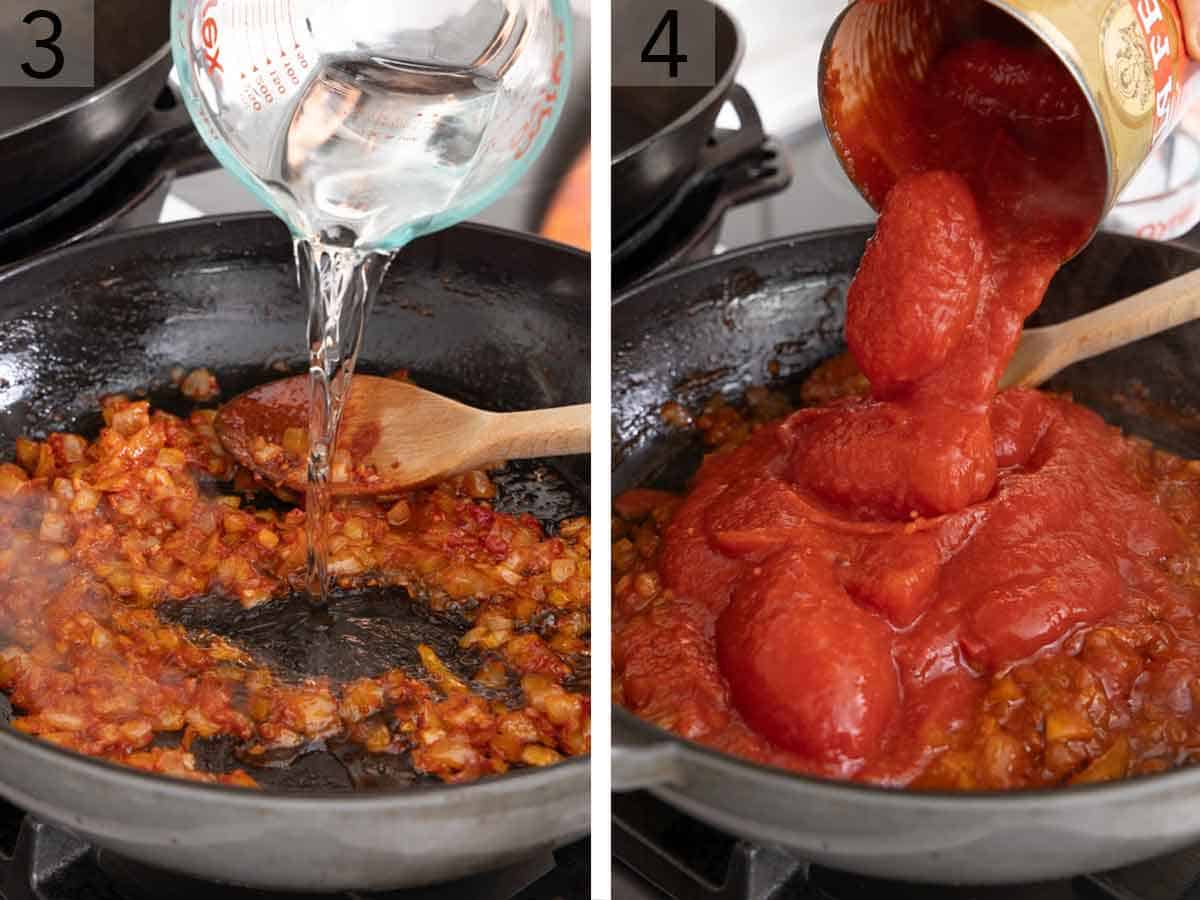
3. Pour in the vodka and deglaze the pan. Let the mixture simmer for about 3 minutes, stirring frequently, until the vodka has almost completely reduced.
4. Add the canned tomatoes and the salt. Using a wooden spoon, break each of the tomatoes in half. Let the tomato sauce simmer, stirring occasionally, for about 10 minutes. Remove from the heat.
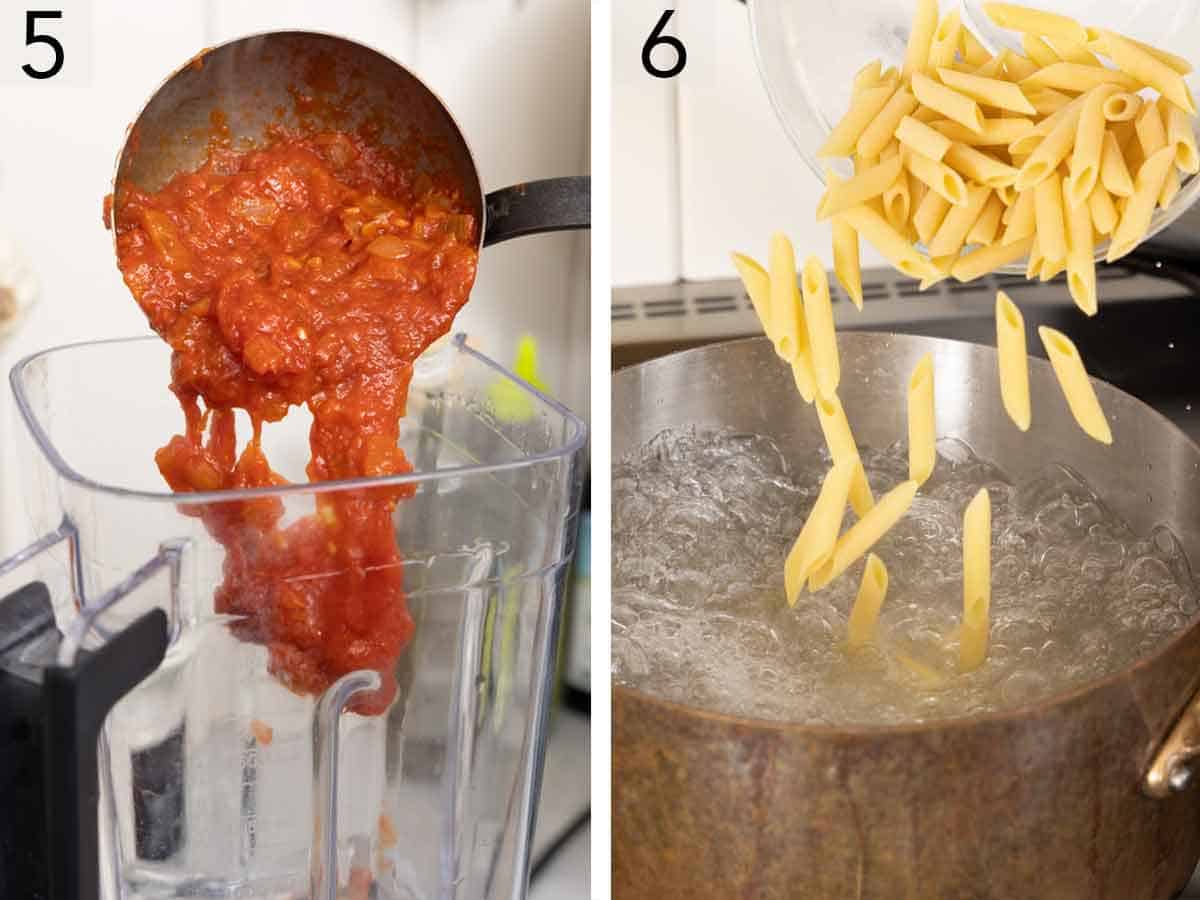
5. Spoon the tomato mixture into the container of a blender. Place the lid on, but remove the center insert to leave a vent so steam can escape. Hold a paper towel or clean dish towel loosely over the opening. Puree on medium-low speed until almost smooth. Return the mixture to the skillet.
6. If serving with pasta, bring a large pot of salted water to a boil over high heat. Add the pasta and cook it according to the package instructions. Reserve 1 cup of pasta water and then drain the pasta in a colander.
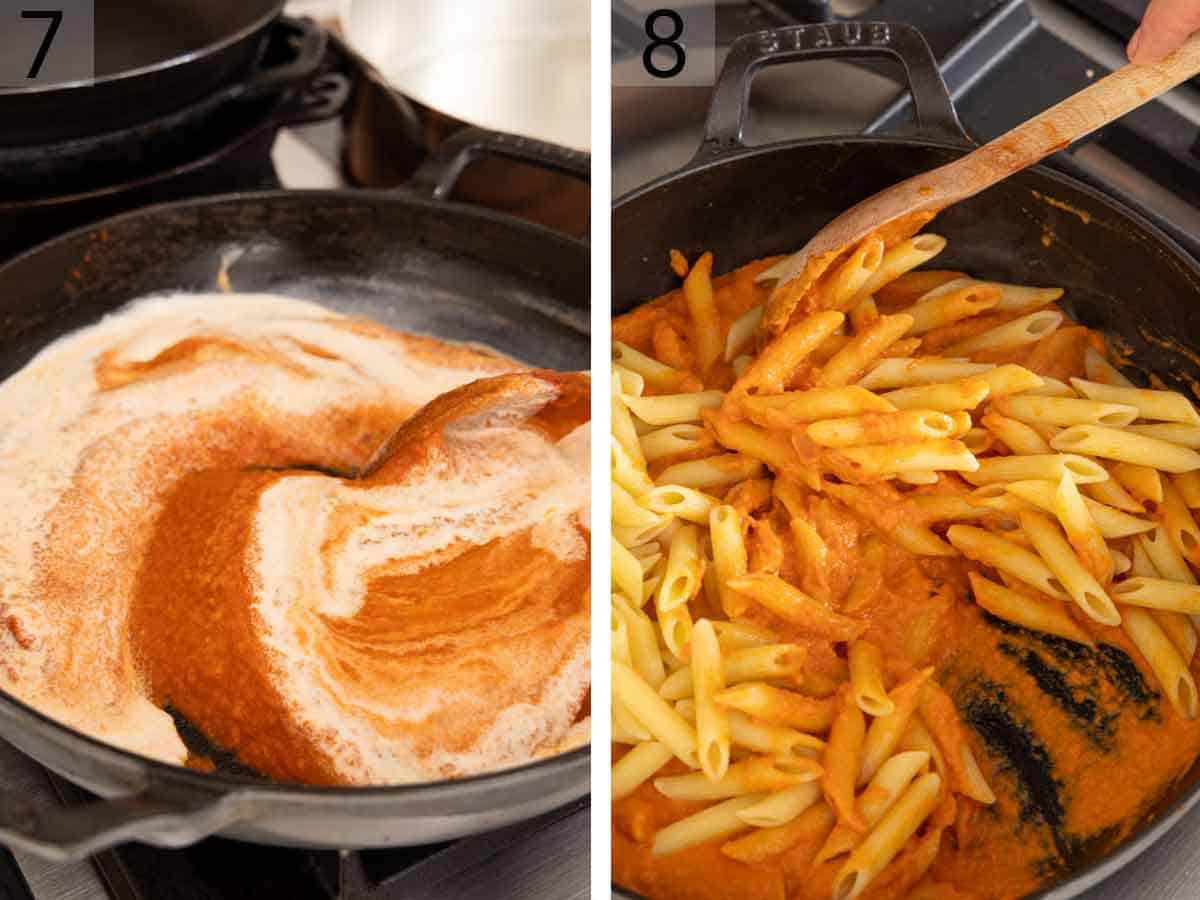
7. Return the sauce to medium-low heat. Pour in the heavy cream and stir.
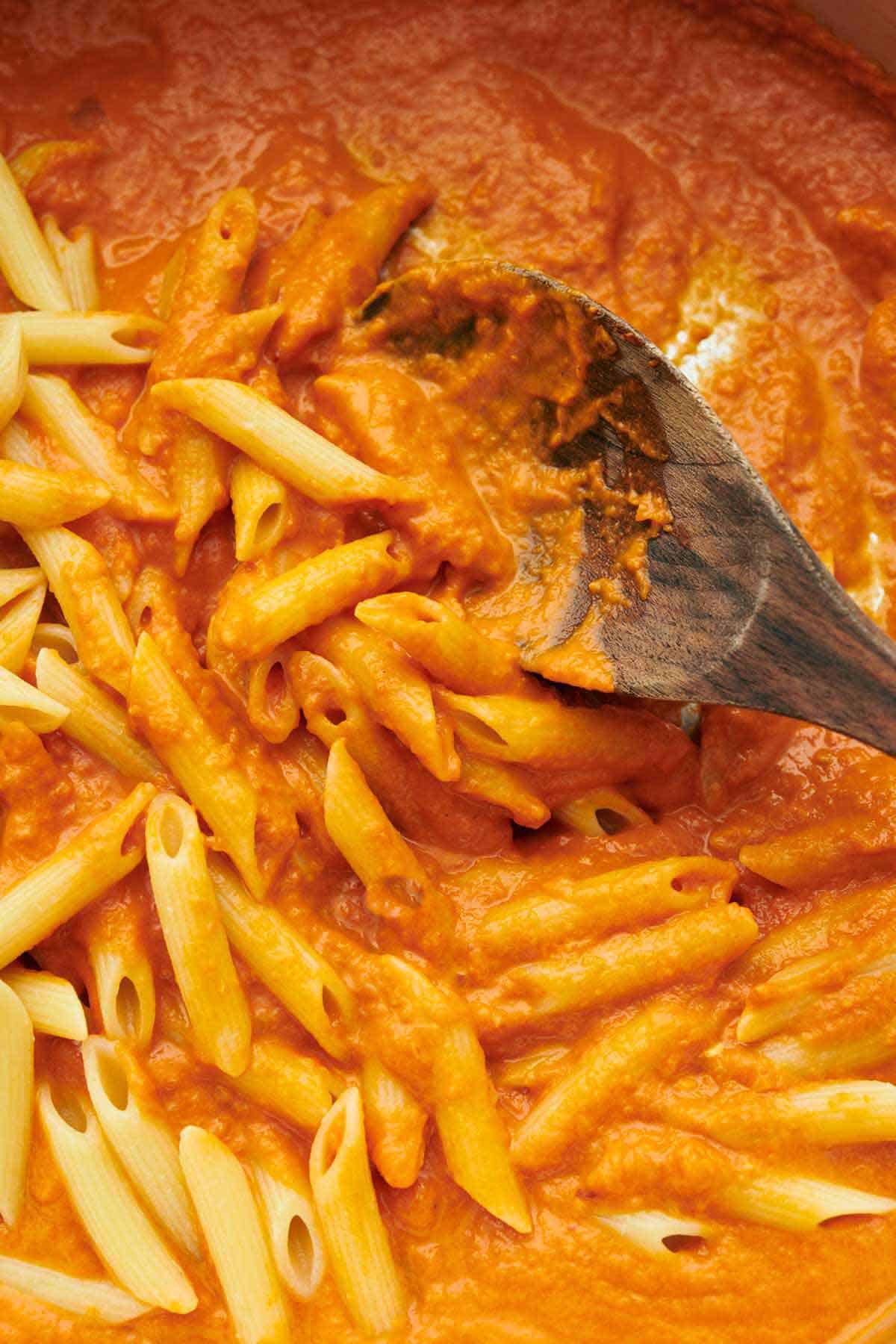
8. Once it comes to a low simmer, stir in the parmesan cheese and basil Until the cheese is melted. If using, add the cooked pasta along with ¼ cup of the reserved pasta water, Toss the pasta with the sauce to coat well. Serve immediately or use the vodka sauce as desired.
Why Use Vodka In Vodka Sauce?
Vodka adds depth and a hint of sharp acidity to the sauce that balances the creaminess beautifully. The sauce does not taste boozy at all and does not contain any alcohol once the sauce has been cooked. Vodka also helps the sauce emulsify so it is cohesive.
Make Ahead And Storage Instructions
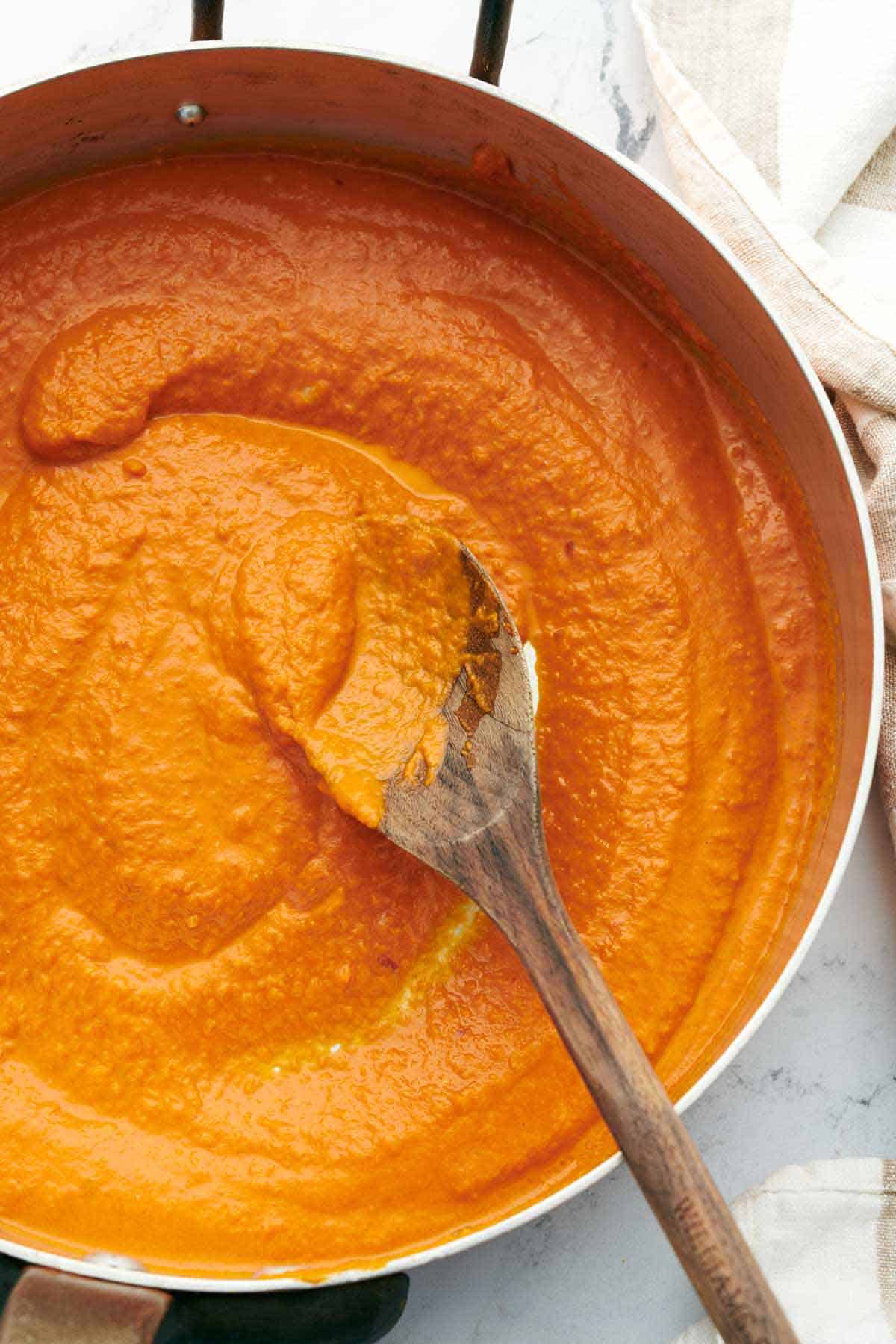
This creamy vodka sauce recipe can be made up to 3 days ahead of time. Prep it from start to finish and either hold it off the heat for up to an hour until your pasta is done cooking or cool it and refrigerate it in an airtight container until ready to use. Reheat the sauce in a skillet on the stovetop until warmed through while you boil the pasta.
The vodka sauce can be stored in an airtight container in the fridge for up to 5 days. (I recommend using a glass container to prevent staining.) Reheat and serve leftover sauce with freshly cooked pasta.
Serving Suggestions
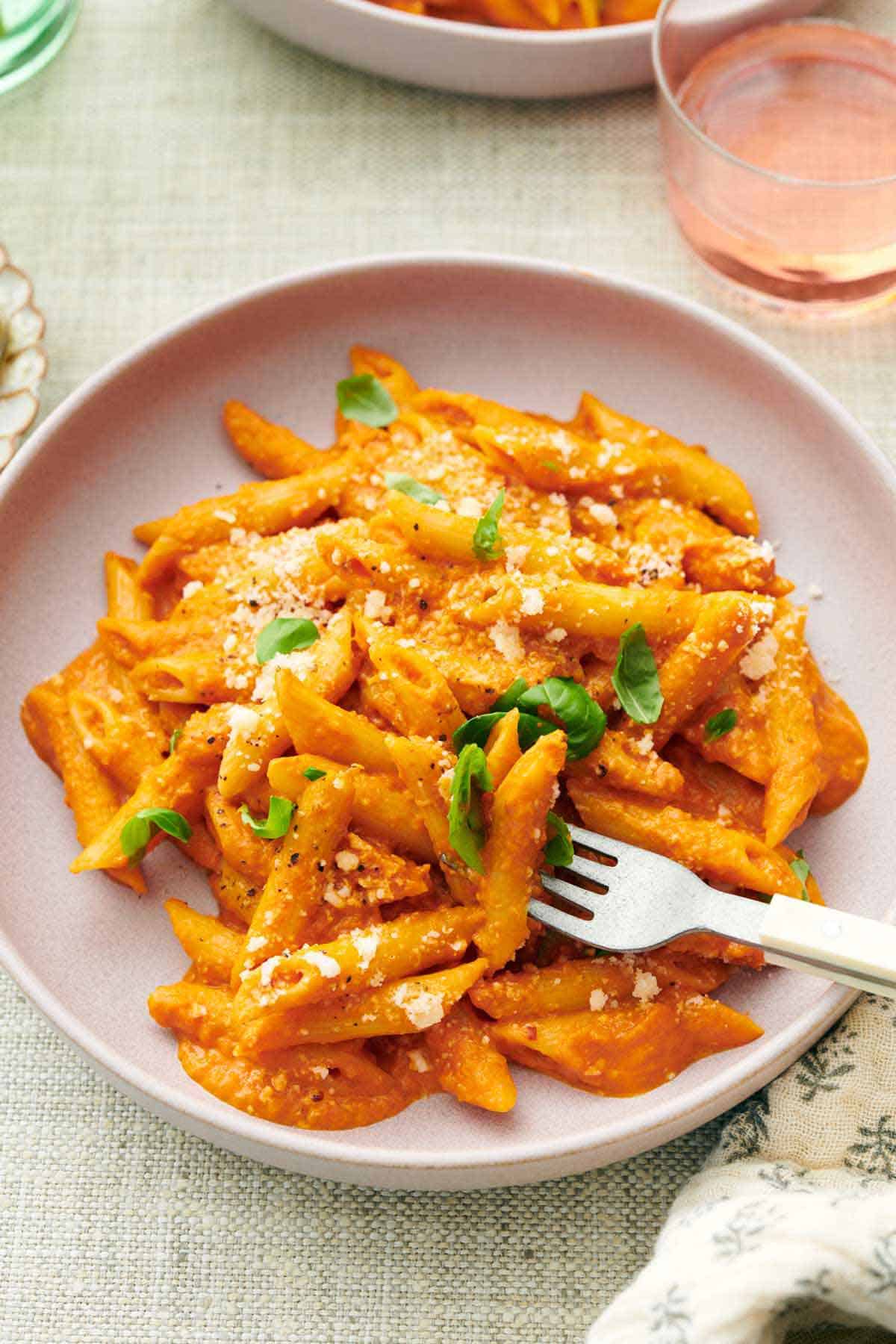
This vodka sauce recipe makes enough sauce to coat 1 pound of pasta and generously sauce 12 ounces of pasta. I cooked 12 ounces of penne this time because I wanted it extra saucy.
Here are some ideas for how to serve pasta alla vodka:
- Go classic and serve it with penne pasta for a delicious penne alla vodka.
- Coat homemade meatballs with vodka sauce and serve it as an appetizer, party dish, or turn it into a meatball sub.
- Toss pasta in the sauce and serve it with baked chicken thighs or garlic shrimp.
- Use it in place of marinara for a twist on chicken parmesan, stuffed shells, flatbread pizza, or cheese pizza.
- Serve it as a dipping sauce for buttery breadsticks, garlic knots, or air fryer mozzarella sticks.
Recipe Tips
- Use freshly grated parmesan: The pre-packaged kind is a lot drier and does not melt as nicely.
- Leave a vent for steam when blending the tomatoes. The sauce will be hot going from the stove to the blender, so you need to leave a vent in the lid for the steam to escape while blending. Otherwise, you run the risk of the top exploding off the blender, making a huge mess.
- Skip the traditional blender: You can also make this sauce in a large pot and use an immersion blender to puree right in the pot.
- If the sauce is too thick: Add more of the reserved pasta water, 1 tablespoon at a time, to reach your desired consistency. If you aren’t serving this with pasta, add regular water, additional vodka, or chicken or vegetable broth to thin out the sauce.
Frequently Asked Questions
Yes. To freeze, allow the sauce (without any pasta added) to cool to room temperature and transfer to a freezer-safe container. Leave room in the container for the sauce to expand. Freeze for up to 3 months. Thaw overnight in the refrigerator and reheat in a skillet on the stovetop until warmed through. Add cooked pasta and enjoy.
The sauce might be a bit watery once thawed. You can gently simmer it until it thickens again or dissolve 1 teaspoon of cornstarch into a tablespoon of water and stir it into the sauce until bubbling and thickened.
While alcohol is added to the sauce, if you stick to the cooking times in the recipe, the alcohol is cooked off before serving, and any amount left per serving is negligible. I personally feel comfortable serving this sauce to my kids, but please do what you think is best! You can substitute the vodka for chicken or vegetable broth if desired.
I love a short, tubular pasta such as penne, rigatoni, ziti, cavatappi, cellentani, or garganelli, which all hold a lot of sauce in their tubes. Spiral pasta types such as rotini also work well because the sauce clings to the spirals. However, if you only have long pasta on hand, that will work too!
If you’ve tried this vodka sauce recipe, then don’t forget to rate it and let me know how you got on in the comments below. I love hearing from you!
Vodka Sauce Recipe
Equipment
- Large skillet
- Large Pot
- Blender
Ingredients
- 2 tablespoons unsalted butter
- 2 tablespoons olive oil
- ½ medium yellow onion chopped (130g)
- 4 garlic cloves minced
- 2 tablespoons tomato paste
- ⅓ cup vodka (80mL)
- 1 (28-ounce/794g) can whole, peeled tomatoes
- 1 teaspoon salt
- ½ cup heavy cream (120mL)
- ⅛ teaspoon red pepper flakes
- ¼ teaspoon ground black pepper
- 12 ounces pasta (optional) (340g)
- 2 tablespoons freshly chopped basil
- ½ cup freshly grated parmesan cheese (24g)
Instructions
- In a large skillet over medium heat, melt the butter and olive oil. Add the onion and cook for 6 minutes, stirring occasionally, until slightly softened. Add the garlic and cook for one more minute.
- Add the tomato paste to the skillet and stir well to combine. Let cook for 2 to 3 minutes, stirring frequently, until it has darkened in color.
- Pour in the vodka. Using a wooden spoon, scrape up any brown bits from the bottom of the pan. Let the mixture simmer for about 3 minutes, stirring frequently, until the vodka has almost fully reduced.
- Add the canned tomatoes and the salt. Using the wooden spoon, break each of the tomatoes in half. Let the mixture simmer, stirring occasionally, for about 10 minutes, until it’s slightly reduced. Remove from the heat.
- Carefully ladle the mixture into the canister of a blender. Place the lid on the canister, but remove the center insert to leave an vent. Hold a paper towel or clean dish towel loosely over the opening. Puree on medium-low speed until almost smooth, about 30 seconds. Pour the mixture back into the skillet. (You can also use an immersion blender.)
- If serving with pasta, bring a large pot of salted water to a boil over high heat. Add the pasta and cook it according to the package instructions. Reserve 1 cup of pasta water and drain the pasta in a colander.
- Return the skillet of sauce to medium-low heat. Add the cream, red pepper flakes, black pepper, and stir well to combine. Once it comes to a low simmer, add the basil and parmesan cheese and stir until the cheese is melted.
- If adding pasta, stir it in along with ¼ cup of the reserved pasta water until the pasta is well coated. (If the sauce is too thick, add more of the reserved pasta water 1 tablespoon at a time, to reach your desired consistency). Serve immediately, topped with more freshly grated parmesan cheese and basil if desired.
- The pasta sauce can be refrigerated in an airtight container for up to 5 days.
Notes
- Use freshly grated parmesan: The pre-packaged kind is a lot drier and does not melt as nicely.
- Leave a vent for steam when blending the tomatoes. The sauce will be hot going from the stove to the blender, so you need to leave a vent in the lid for the steam to escape while blending. Otherwise, you run the risk of the top exploding off the blender, making a huge mess.
- Skip the traditional blender: You can also make this sauce in a large pot and use an immersion blender to puree right in the pot.
- If the sauce is too thick: Add more of the reserved pasta water, 1 tablespoon at a time, to reach your desired consistency. If you aren’t serving this with pasta, add regular water, additional vodka, or chicken or vegetable broth to thin out the sauce.
Nutrition
Have you tried this recipe? Tag me today!
Mention @preppykitchen and tag #preppykitchen!